
Understanding Drone Lithium Batteries: Powering the Future of Flight
Mar 01,2026
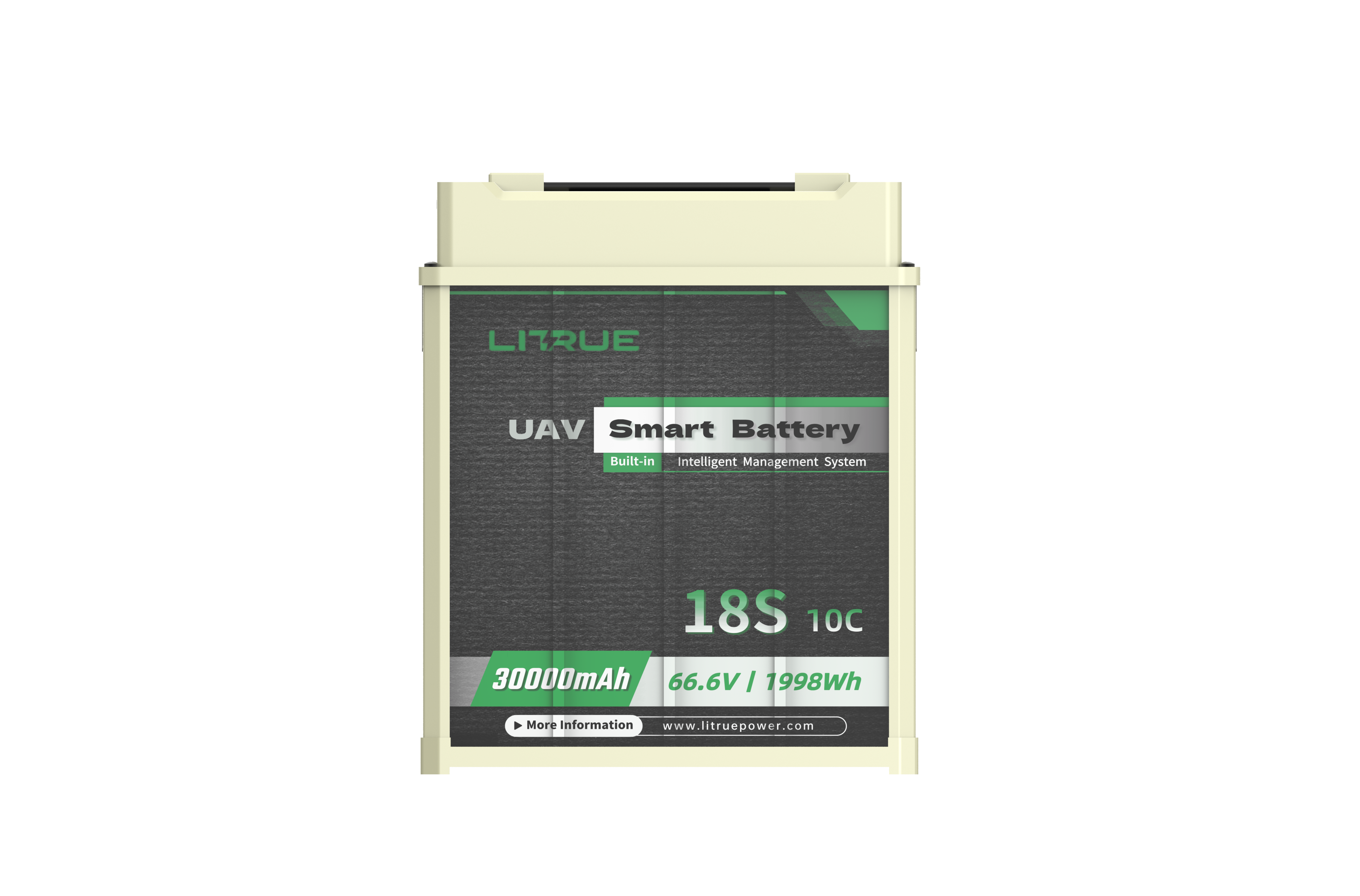
Lithium batteries have revolutionized the drone industry, providing lightweight, efficient, and high-capacity power sources essential for modern aerial technology. Understanding the intricacies of drone lithium batteries can help users maximize their drone's performance while ensuring safety and longevity.
At the core of drone technology, lithium batteries are favored for their high energy density, which allows drones to operate for extended periods without significantly increasing weight. This is particularly important for applications such as aerial photography, surveying, and agricultural monitoring, where extended flight times can enhance productivity and effectiveness.
One of the primary advantages of lithium batteries in drones is their ability to discharge and recharge rapidly. This characteristic is crucial for drone operators who may need to perform multiple flights in succession. The quick recharge times associated with lithium batteries mean less downtime and more flying. Additionally, these batteries exhibit a low self-discharge rate, allowing drones to retain their energy for longer when not in use, which is advantageous for emergency or sporadic use cases.
However, it's vital to note that lithium batteries require careful handling and charging practices to ensure safety. Overcharging or exposing the batteries to extreme temperatures can lead to thermal runaway, resulting in battery failure or even fires. Therefore, adhering to manufacturer guidelines and utilizing smart chargers equipped with safety features is crucial for maintaining battery health and safety.
Moreover, advancements in lithium battery technology have led to the development of smart batteries that come with built-in management systems. These systems monitor voltage, current, and temperature, allowing users to receive real-time information about the battery's status. Such features can help prevent over-discharge and optimize charging cycles, ultimately extending the battery's lifespan and improving overall performance.
As the demand for drones continues to grow in various sectors, ongoing research and innovation in lithium battery technology remain critical. Future trends may include higher energy densities, faster charging times, and capacities tailored specifically for drone applications. Additionally, sustainable lithium battery solutions are becoming increasingly important, as the industry seeks to minimize environmental impact while maximizing performance.
In conclusion, drone lithium batteries are a cornerstone of modern drone technology, enabling longer flight times, rapid recharge capabilities, and enhanced safety features. By understanding their advantages and best practices, drone users can optimize their aerial operations while navigating the evolving landscape of battery technology. As innovation continues, the future of drone lithium batteries promises even greater possibilities for enhancing the capabilities of unmanned aerial vehicles.
At the core of drone technology, lithium batteries are favored for their high energy density, which allows drones to operate for extended periods without significantly increasing weight. This is particularly important for applications such as aerial photography, surveying, and agricultural monitoring, where extended flight times can enhance productivity and effectiveness.
One of the primary advantages of lithium batteries in drones is their ability to discharge and recharge rapidly. This characteristic is crucial for drone operators who may need to perform multiple flights in succession. The quick recharge times associated with lithium batteries mean less downtime and more flying. Additionally, these batteries exhibit a low self-discharge rate, allowing drones to retain their energy for longer when not in use, which is advantageous for emergency or sporadic use cases.
However, it's vital to note that lithium batteries require careful handling and charging practices to ensure safety. Overcharging or exposing the batteries to extreme temperatures can lead to thermal runaway, resulting in battery failure or even fires. Therefore, adhering to manufacturer guidelines and utilizing smart chargers equipped with safety features is crucial for maintaining battery health and safety.
Moreover, advancements in lithium battery technology have led to the development of smart batteries that come with built-in management systems. These systems monitor voltage, current, and temperature, allowing users to receive real-time information about the battery's status. Such features can help prevent over-discharge and optimize charging cycles, ultimately extending the battery's lifespan and improving overall performance.
As the demand for drones continues to grow in various sectors, ongoing research and innovation in lithium battery technology remain critical. Future trends may include higher energy densities, faster charging times, and capacities tailored specifically for drone applications. Additionally, sustainable lithium battery solutions are becoming increasingly important, as the industry seeks to minimize environmental impact while maximizing performance.
In conclusion, drone lithium batteries are a cornerstone of modern drone technology, enabling longer flight times, rapid recharge capabilities, and enhanced safety features. By understanding their advantages and best practices, drone users can optimize their aerial operations while navigating the evolving landscape of battery technology. As innovation continues, the future of drone lithium batteries promises even greater possibilities for enhancing the capabilities of unmanned aerial vehicles.
TAG:
PREVIOUS:

Contact Us
E-mail :
info@litruepower.com
Phone:
+860379-65187266
Address:
No. 30 Science and Technology Avenue, Yibin District, Luoyang City, Henan Province
Contact LiTrue
Addr:No. 30 Science and Technology Avenue, Yibin District, Luoyang City, Henan Province
SAF Coolest v1.3.1.2 设置面板 GAGSE-ZGYF-JSZWE-ZDZ
违禁词: 第一,最,一流,领先,独一无二,王者,龙头,领导者,极致,
无数据提示
Sorry,当前栏目正在更新中,敬请期待!
您可以查看其他栏目或返回 首页