
Understanding the Impact of UAV Lithium Battery Weight on Flight Performance
Feb 28,2026
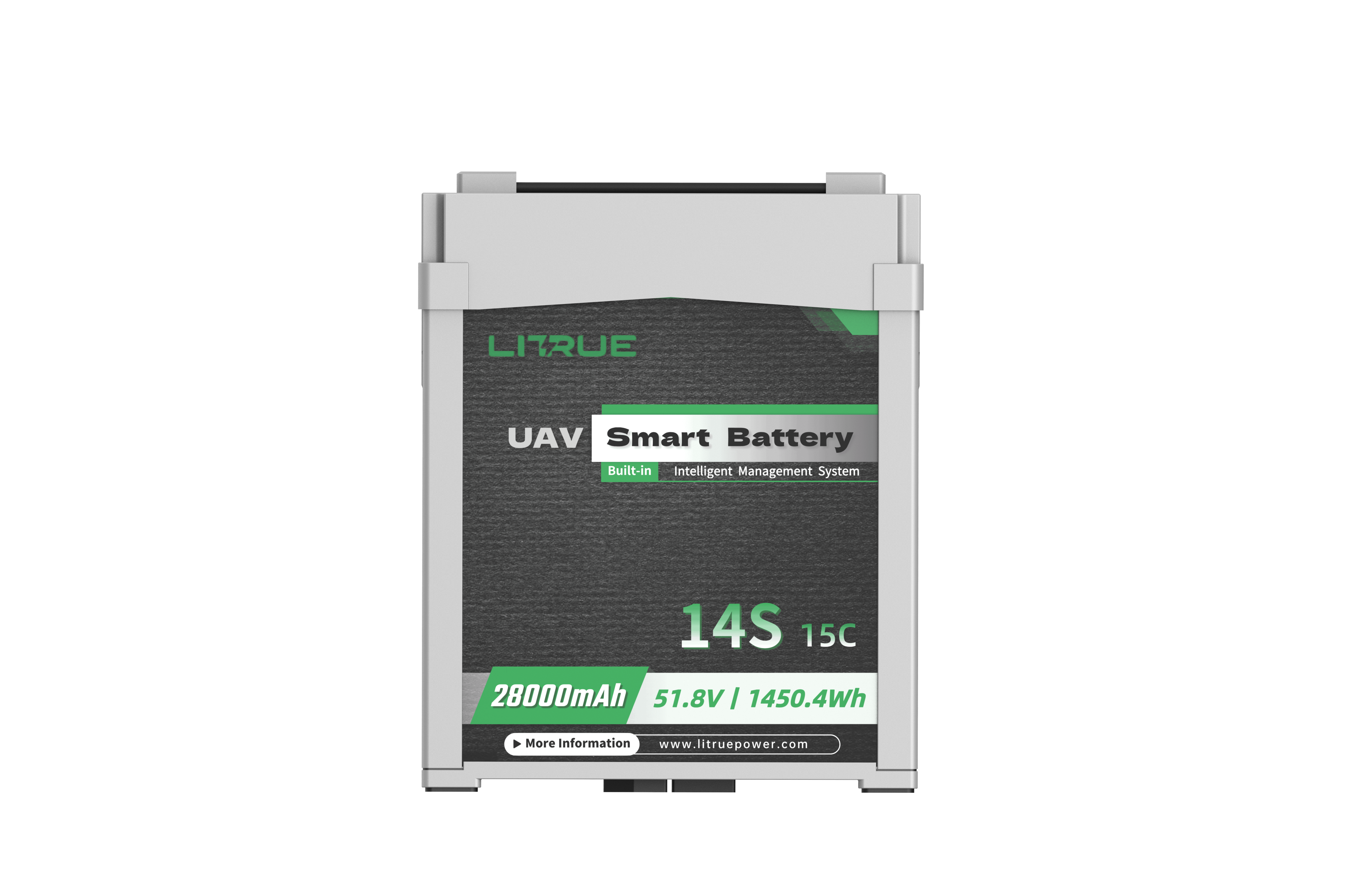
Understanding the Impact of UAV Lithium Battery Weight on Flight Performance
Table of Contents
- 1. Introduction to UAVs and Battery Technology
- 2. Advantages of Lithium Batteries in UAVs
- 3. Weight Implications of Lithium Batteries on UAV Performance
- 4. The Relationship Between Flight Time and Battery Weight
- 5. How Battery Weight Affects Payload Capacity
- 6. Strategies for Battery Optimization in UAVs
- 7. Future Trends in UAV Battery Technology
- 8. Conclusion
- 9. Frequently Asked Questions
1. Introduction to UAVs and Battery Technology
The rapid advancement of **Unmanned Aerial Vehicles (UAVs)** has revolutionized various industries, including agriculture, logistics, and aerial photography. Central to the performance of these UAVs is their power source—the **lithium battery**. Understanding the nuances of battery selection, particularly its weight, is crucial for optimizing UAV performance.
In this article, we will delve into how the weight of lithium batteries impacts UAV flight performance, covering essential aspects such as flight time, payload capacity, and optimization strategies.
2. Advantages of Lithium Batteries in UAVs
Lithium batteries are favored in UAV applications for several reasons:
2.1 High Energy Density
Lithium batteries boast a **high energy density**, offering more energy per unit weight than other battery technologies. This means UAVs can achieve longer flight durations without significantly increasing their weight.
2.2 Lightweight Construction
The lightweight nature of lithium batteries is advantageous for UAV design. Reduced weight allows for greater maneuverability and extended flight times, making them ideal for various applications.
2.3 Quick Charging Capability
Lithium batteries can be recharged quickly, minimizing downtime for UAVs. This feature is critical in commercial applications where operational efficiency is paramount.
2.4 Longevity and Cycle Life
With a longer cycle life, lithium batteries can endure numerous charge and discharge cycles, leading to lower replacement costs over time.
3. Weight Implications of Lithium Batteries on UAV Performance
Battery weight significantly influences a UAV’s overall performance. Every gram counts when designing a UAV for optimal efficiency and performance.
3.1 The Power-to-Weight Ratio
The **power-to-weight ratio** is a crucial metric in UAV performance. A lighter battery enhances this ratio, allowing for better acceleration and climbing capabilities. Conversely, a heavier battery can hinder performance, making it harder for the UAV to achieve desired altitudes and speeds.
3.2 Stability and Control
Weight distribution affects UAV stability. A well-balanced UAV can respond better to control inputs, while uneven weight distribution can lead to erratic flight behavior. Choosing the right battery weight helps maintain optimal stability during flight.
4. The Relationship Between Flight Time and Battery Weight
Battery weight directly impacts flight time, a critical concern for UAV operators.
4.1 Understanding Energy Consumption
UAVs consume energy based on their weight and aerodynamic design. A heavier battery increases the overall weight of the UAV, leading to higher energy consumption. This higher energy draw can dramatically reduce flight time, making it essential to find a balance between battery capacity and weight.
4.2 Calculating Flight Time
To calculate flight time, one must consider several factors, including the battery's capacity (measured in milliamp hours, mAh) and the UAV's average current draw.
- **Formula**: Flight Time (minutes) = (Battery Capacity (mAh) / Average Current Draw (mA)) * 60
Understanding this relationship allows operators to make informed decisions regarding battery specifications based on desired flight times.
5. How Battery Weight Affects Payload Capacity
Payload capacity is critical for many UAV applications, from delivering packages to carrying sensors for data collection.
5.1 The Trade-off Between Battery Weight and Payload
A heavier battery reduces the available payload capacity. This trade-off is vital for operators who need to maximize the functionality of their UAVs without compromising performance.
5.2 Optimizing Payload Capacity
To optimize payload capacity, operators can:
- Choose lightweight lithium batteries with higher energy densities.
- Design UAVs with efficient weight distribution to allow for additional payloads.
By prioritizing both battery selection and UAV design, operators can maximize the effectiveness of their UAVs.
6. Strategies for Battery Optimization in UAVs
Optimizing battery performance involves selecting the right type and size of lithium battery, ensuring efficient energy use during flight, and maintaining battery health.
6.1 Choosing the Right Battery Type
Not all lithium batteries are created equal. Operators should consider:
- **Lithium Polymer (LiPo)**: Best for high-drain applications with excellent energy densities.
- **Lithium-Ion (Li-ion)**: Ideal for longer flight times with stable energy output.
Selecting the right type depending on the UAV's mission profile is essential for performance optimization.
6.2 Regular Maintenance and Monitoring
Regular maintenance of batteries includes monitoring their charge cycles, ensuring they are stored correctly, and checking for any signs of wear or damage. Proper maintenance extends the lifespan of the battery and ensures consistent performance.
6.3 Utilizing Battery Management Systems (BMS)
A Battery Management System (BMS) can enhance battery performance by optimizing charging cycles and preventing over-discharge. Utilizing a BMS enables operators to extend flight times and enhance overall UAV performance.
7. Future Trends in UAV Battery Technology
The future of UAV battery technology is promising, with ongoing research focusing on improving energy densities, reducing weight, and enhancing environmental sustainability.
7.1 Solid-State Batteries
Solid-state batteries are emerging as a potential replacement for traditional lithium batteries. They promise higher energy densities and improved safety, which can revolutionize UAV performance.
7.2 Fuel Cell Technology
Fuel cell technology may also play a role in future UAV applications. Offering longer flight times and reduced environmental impact, fuel cells could complement or even replace battery systems in certain use cases.
8. Conclusion
The weight of lithium batteries significantly impacts UAV flight performance, influencing flight time, payload capacity, and overall stability. Operators must carefully consider battery selection and management strategies to optimize UAV performance effectively. As technology advances, new battery innovations promise to enhance UAV capabilities further, paving the way for more efficient and capable aerial solutions.
9. Frequently Asked Questions
1. What is the ideal weight for lithium batteries in UAVs?
The ideal weight varies based on the UAV's design and intended use. Operators should aim for a balance between battery weight and the required performance metrics.
2. How does battery weight affect flight time?
Heavier batteries increase overall energy consumption, potentially reducing flight time. Selecting the right battery type and capacity is essential for optimal performance.
3. Can I use a heavier lithium battery for better performance?
While a heavier battery may provide more energy, it can negatively impact the UAV's power-to-weight ratio, leading to decreased performance.
4. What maintenance is required for lithium batteries?
Regular maintenance includes monitoring charge cycles, proper storage, and checking for damage. This helps ensure longevity and performance.
5. Are there alternatives to lithium batteries for UAVs?
While lithium batteries are the most common, alternatives like solid-state batteries and fuel cells are being explored for improved performance and sustainability.
This comprehensive understanding of the impact of UAV lithium battery weight on flight performance equips operators with the insights needed to make informed decisions, ensuring enhanced operational efficiency and success in their aerial endeavors.
TAG:
PREVIOUS:

Contact Us
E-mail :
info@litruepower.com
Phone:
+860379-65187266
Address:
No. 30 Science and Technology Avenue, Yibin District, Luoyang City, Henan Province
Contact LiTrue
Addr:No. 30 Science and Technology Avenue, Yibin District, Luoyang City, Henan Province
SAF Coolest v1.3.1.2 设置面板 GAGSE-ZGYF-JSZWE-ZDZ
违禁词: 第一,最,一流,领先,独一无二,王者,龙头,领导者,极致,
无数据提示
Sorry,当前栏目正在更新中,敬请期待!
您可以查看其他栏目或返回 首页