
Exploring the Advantages and Applications of LiFePO4 Pouch Cells in Renewable Energy
Feb 27,2026
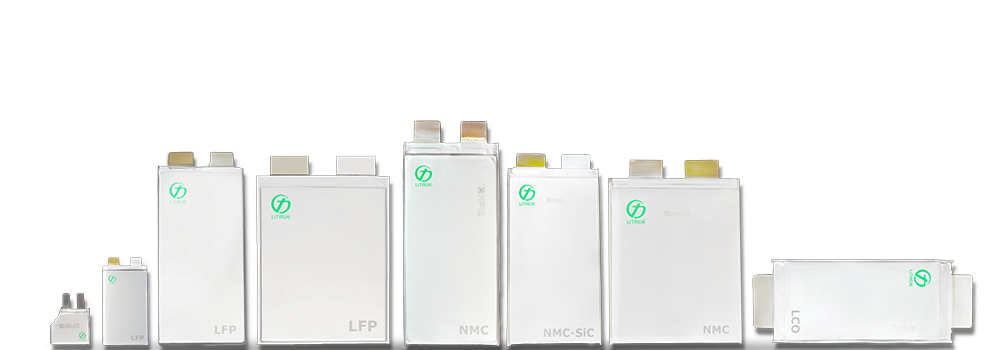
LiFePO4 pouch cells are gaining significant attention within the renewable energy sector, particularly for their advantages in energy storage and efficiency. These lithium iron phosphate cells are known for their robust safety features, thermal stability, and long life cycles, making them an excellent choice for various applications, including solar energy systems and electric vehicles.
One of the primary advantages of LiFePO4 pouch cells is their enhanced safety profile. Unlike traditional lithium-ion batteries that can be prone to thermal runaway, LiFePO4 cells are less likely to overheat and are more chemically stable. This characteristic is crucial in applications where safety is paramount, such as in residential energy storage systems where users depend heavily on reliable power sources.
The longevity of LiFePO4 pouch cells is another essential feature. These cells can withstand a significantly higher number of charge and discharge cycles compared to other lithium battery types. This durability translates to lower replacement frequency and long-term cost savings, making them an ideal option for applications where long-term investment is critical, such as solar energy storage solutions.
Additionally, LiFePO4 pouch cells offer impressive energy density relative to their weight and size. This feature enables manufacturers to create lighter and more compact energy storage systems, which is particularly beneficial for electric vehicles and portable energy solutions. The reduced weight can lead to improved efficiency and performance, essential criteria in modern renewable energy technology.
In the context of solar energy, integrating LiFePO4 pouch cells into solar power systems can enhance overall efficiency. These cells can be paired with solar panels to create a reliable storage solution, allowing excess energy generated during peak sunlight hours to be stored and used when needed. This capability not only maximizes energy utilization but also supports grid stability by providing a buffer during periods of low solar generation.
Moreover, the environmental impact of using LiFePO4 pouch cells is favorable compared to other battery technologies. The materials used in these cells are non-toxic and abundant, aligning well with the growing demand for sustainable energy solutions. As the world moves towards greener energy sources, the role of LiFePO4 pouch cells is likely to expand, providing a compelling reason for stakeholders in the renewable energy sector to consider their adoption.
In summary, LiFePO4 pouch cells represent a promising technology within the renewable energy landscape. Their safety, longevity, and efficiency position them as a vital component in advancing sustainable energy solutions, particularly in solar energy systems and electric vehicles. As the demand for renewable energy continues to rise, understanding the advantages of these cells will be key for businesses and consumers alike.
One of the primary advantages of LiFePO4 pouch cells is their enhanced safety profile. Unlike traditional lithium-ion batteries that can be prone to thermal runaway, LiFePO4 cells are less likely to overheat and are more chemically stable. This characteristic is crucial in applications where safety is paramount, such as in residential energy storage systems where users depend heavily on reliable power sources.
The longevity of LiFePO4 pouch cells is another essential feature. These cells can withstand a significantly higher number of charge and discharge cycles compared to other lithium battery types. This durability translates to lower replacement frequency and long-term cost savings, making them an ideal option for applications where long-term investment is critical, such as solar energy storage solutions.
Additionally, LiFePO4 pouch cells offer impressive energy density relative to their weight and size. This feature enables manufacturers to create lighter and more compact energy storage systems, which is particularly beneficial for electric vehicles and portable energy solutions. The reduced weight can lead to improved efficiency and performance, essential criteria in modern renewable energy technology.
In the context of solar energy, integrating LiFePO4 pouch cells into solar power systems can enhance overall efficiency. These cells can be paired with solar panels to create a reliable storage solution, allowing excess energy generated during peak sunlight hours to be stored and used when needed. This capability not only maximizes energy utilization but also supports grid stability by providing a buffer during periods of low solar generation.
Moreover, the environmental impact of using LiFePO4 pouch cells is favorable compared to other battery technologies. The materials used in these cells are non-toxic and abundant, aligning well with the growing demand for sustainable energy solutions. As the world moves towards greener energy sources, the role of LiFePO4 pouch cells is likely to expand, providing a compelling reason for stakeholders in the renewable energy sector to consider their adoption.
In summary, LiFePO4 pouch cells represent a promising technology within the renewable energy landscape. Their safety, longevity, and efficiency position them as a vital component in advancing sustainable energy solutions, particularly in solar energy systems and electric vehicles. As the demand for renewable energy continues to rise, understanding the advantages of these cells will be key for businesses and consumers alike.
TAG:
PREVIOUS:

Contact Us
E-mail :
info@litruepower.com
Phone:
+860379-65187266
Address:
No. 30 Science and Technology Avenue, Yibin District, Luoyang City, Henan Province
Contact LiTrue
Addr:No. 30 Science and Technology Avenue, Yibin District, Luoyang City, Henan Province
SAF Coolest v1.3.1.2 设置面板 GAGSE-ZGYF-JSZWE-ZDZ
违禁词: 第一,最,一流,领先,独一无二,王者,龙头,领导者,极致,
无数据提示
Sorry,当前栏目正在更新中,敬请期待!
您可以查看其他栏目或返回 首页