
Understanding UAV Lithium Batteries: Key Features and Considerations
Feb 23,2026
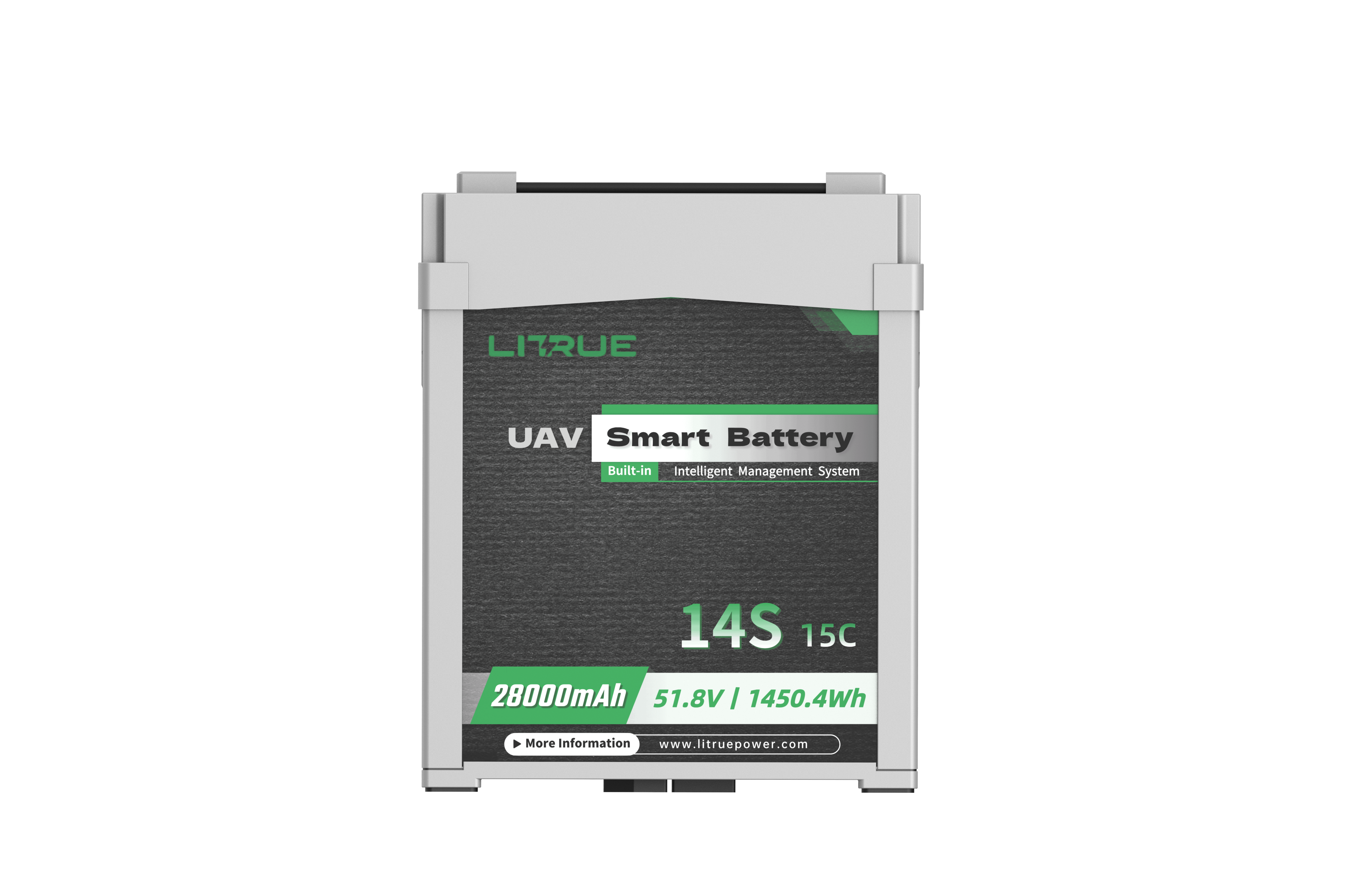
In the rapidly evolving domain of unmanned aerial vehicles (UAVs), lithium batteries have emerged as a cornerstone of efficiency and reliability. Understanding the characteristics of UAV lithium batteries is crucial for professionals in the electrical and electronics industry, particularly those involved in battery technology, storage, and charging solutions.
Lithium-ion batteries are highly favored in UAV applications due to their remarkable energy density, which allows them to store more energy in a compact form compared to traditional battery types. This characteristic is vital for UAVs, as it directly impacts flight duration and overall performance. A well-designed UAV lithium battery can significantly extend the operational range of a drone, enabling it to cover larger areas and perform more complex tasks.
Another critical factor is the battery's discharge rate. UAVs often require bursts of high power for takeoff and maneuvering, necessitating batteries that can provide rapid energy output. Lithium batteries excel in this regard, as they can deliver significant current without compromising performance. Additionally, their lightweight nature is advantageous, as minimizing weight is a key consideration in UAV design.
Safety is another paramount concern when working with UAV lithium batteries. While these batteries are generally safe, potential risks such as overheating and thermal runaway must be addressed. Implementing protective circuits and thermal management systems can help mitigate these risks, ensuring safer operation in various environmental conditions. Professional users should always be aware of proper handling practices to maximize the lifespan and safety of their UAV lithium batteries.
Charging technology has also seen substantial advancements, leading to quicker and more efficient charging solutions for UAV lithium batteries. Smart charging systems can optimize the charging process, prolonging battery life and ensuring that drones are quickly ready for deployment. As professionals, understanding the nuances of charging cycles and battery management systems is essential for optimizing performance and reliability.
Furthermore, the selection of a suitable lithium battery involves considering factors like cycle life, operational temperature range, and compatibility with specific UAV models. Professionals should evaluate these parameters carefully to ensure that the chosen battery meets the operational demands of their applications.
In conclusion, UAV lithium batteries represent a critical component in the functionality and efficiency of unmanned aerial vehicles. By understanding their features, safety considerations, and charging technologies, professionals in the electrical and electronics industry can make informed decisions that enhance the performance and reliability of their UAV systems. As the demand for drones continues to rise across various sectors, comprehending the intricacies of UAV lithium batteries will be indispensable for driving innovation and ensuring success in this dynamic field.
Lithium-ion batteries are highly favored in UAV applications due to their remarkable energy density, which allows them to store more energy in a compact form compared to traditional battery types. This characteristic is vital for UAVs, as it directly impacts flight duration and overall performance. A well-designed UAV lithium battery can significantly extend the operational range of a drone, enabling it to cover larger areas and perform more complex tasks.
Another critical factor is the battery's discharge rate. UAVs often require bursts of high power for takeoff and maneuvering, necessitating batteries that can provide rapid energy output. Lithium batteries excel in this regard, as they can deliver significant current without compromising performance. Additionally, their lightweight nature is advantageous, as minimizing weight is a key consideration in UAV design.
Safety is another paramount concern when working with UAV lithium batteries. While these batteries are generally safe, potential risks such as overheating and thermal runaway must be addressed. Implementing protective circuits and thermal management systems can help mitigate these risks, ensuring safer operation in various environmental conditions. Professional users should always be aware of proper handling practices to maximize the lifespan and safety of their UAV lithium batteries.
Charging technology has also seen substantial advancements, leading to quicker and more efficient charging solutions for UAV lithium batteries. Smart charging systems can optimize the charging process, prolonging battery life and ensuring that drones are quickly ready for deployment. As professionals, understanding the nuances of charging cycles and battery management systems is essential for optimizing performance and reliability.
Furthermore, the selection of a suitable lithium battery involves considering factors like cycle life, operational temperature range, and compatibility with specific UAV models. Professionals should evaluate these parameters carefully to ensure that the chosen battery meets the operational demands of their applications.
In conclusion, UAV lithium batteries represent a critical component in the functionality and efficiency of unmanned aerial vehicles. By understanding their features, safety considerations, and charging technologies, professionals in the electrical and electronics industry can make informed decisions that enhance the performance and reliability of their UAV systems. As the demand for drones continues to rise across various sectors, comprehending the intricacies of UAV lithium batteries will be indispensable for driving innovation and ensuring success in this dynamic field.
TAG:

Contact Us
E-mail :
info@litruepower.com
Phone:
+860379-65187266
Address:
No. 30 Science and Technology Avenue, Yibin District, Luoyang City, Henan Province
Contact LiTrue
Addr:No. 30 Science and Technology Avenue, Yibin District, Luoyang City, Henan Province
SAF Coolest v1.3.1.2 设置面板 GAGSE-ZGYF-JSZWE-ZDZ
违禁词: 第一,最,一流,领先,独一无二,王者,龙头,领导者,极致,
无数据提示
Sorry,当前栏目正在更新中,敬请期待!
您可以查看其他栏目或返回 首页