
How LiFePO4 Pouch Cells Propel Electric Vehicles and Enhance Renewable Energy Solutions
Feb 22,2026
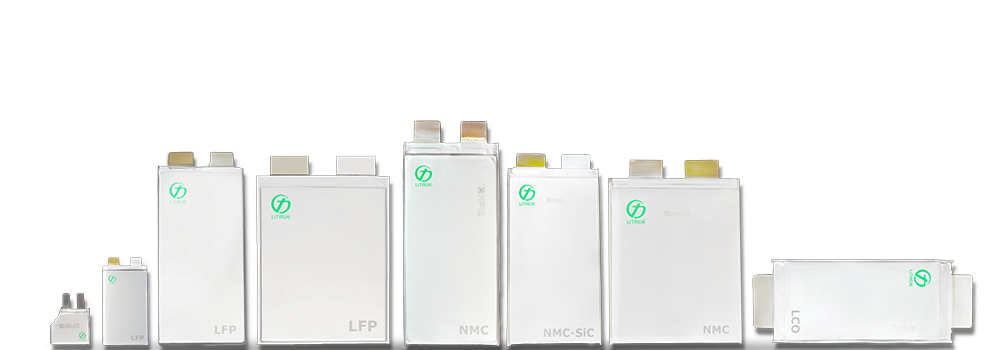
Understanding LiFePO4 Pouch Cells: The Future of Energy Storage
Introduction to LiFePO4 Pouch Cells
LiFePO4 (Lithium Iron Phosphate) pouch cells are a type of lithium-ion battery that has gained significant traction in recent years. Their unique chemistry and design offer numerous advantages over traditional battery technologies, particularly in the realms of electric vehicles (EVs) and renewable energy systems. As the world moves towards sustainable energy solutions, understanding the role of LiFePO4 pouch cells becomes increasingly crucial.
Why Choose LiFePO4 Technology?
LiFePO4 batteries have a stable chemical structure that provides numerous benefits. Here, we delve into the main reasons why this technology is favored for electric vehicles and renewable energy applications.
1. Safety and Stability
Safety is paramount in battery technology. LiFePO4 cells are known for their thermal stability and lower risk of combustion compared to other lithium-ion batteries. This characteristic makes them ideal for high-demand applications like electric vehicles, where safety is a critical concern.
2. Longevity and Cycle Life
One of the standout features of LiFePO4 batteries is their impressive cycle life. They can endure thousands of charge and discharge cycles, significantly outlasting traditional lithium-ion batteries. This durability translates into lower replacement costs and reduced environmental impact over time.
3. Fast Charging Capability
LiFePO4 pouch cells support rapid charging without compromising their lifespan. This capability is essential for electric vehicles, where quick turnaround times can enhance user convenience and overall adoption rates.
The Role of LiFePO4 Pouch Cells in Electric Vehicles
1. Enhancing EV Performance
The integration of LiFePO4 pouch cells in electric vehicles markedly improves performance metrics, including range, acceleration, and efficiency. Their lightweight design contributes to overall vehicle weight reduction, which is crucial for enhancing range performance.
2. Sustainable Energy Utilization
LiFePO4 cells not only operate efficiently but also support the integration of renewable energy sources. By storing energy from solar or wind power for later use, these batteries facilitate a more sustainable energy ecosystem, enabling electric vehicles to run on clean energy.
3. Cost-Efficiency and Economic Viability
Financial sustainability is vital for the widespread adoption of electric vehicles. LiFePO4 pouch cells, with their long lifespan and lower maintenance costs, represent a cost-effective solution for EV manufacturers and consumers alike. This economic viability makes them a preferred choice for many automotive companies.
LiFePO4 Pouch Cells: A Game-Changer for Renewable Energy
1. Energy Storage Solutions
As renewable energy sources like solar and wind become more prevalent, the need for efficient energy storage solutions grows. LiFePO4 pouch cells provide an effective way to store excess energy generated during peak production times, ensuring a reliable energy supply during periods of low generation.
2. Grid Stability and Energy Management
LiFePO4 technology contributes to grid stability by balancing supply and demand. These cells can store energy during off-peak hours and release it when demand surges, mitigating the volatility associated with renewable energy sources.
3. Decentralized Energy Systems
The modular nature of LiFePO4 pouch cells supports decentralized energy systems. Households and businesses can install their energy storage solutions, allowing for greater energy independence and enhanced resilience against outages.
Comparative Analysis: LiFePO4 vs. Other Battery Technologies
1. LiFePO4 vs. Lithium Cobalt Oxide (LCO)
While LCO batteries are known for high energy density, they lack the thermal stability of LiFePO4. This makes LiFePO4 a safer and more reliable option, particularly in high-demand applications like electric vehicles.
2. LiFePO4 vs. Nickel Manganese Cobalt (NMC)
NMC batteries offer a balance of energy density and power, but they come with higher costs and potentially shorter lifespans. In contrast, LiFePO4 provides lower costs and longer cycling capability, making it a more sustainable choice for long-term applications.
Future Trends in LiFePO4 Technology
1. Innovations in Manufacturing
As demand for electric vehicles and renewable energy solutions grows, advancements in LiFePO4 manufacturing processes are expected. Innovations may lead to reduced production costs and improved cell performance, further enhancing their market viability.
2. Integration with Emerging Technologies
The future of LiFePO4 pouch cells will likely involve integration with emerging technologies such as smart grids and electric vehicle charging networks. This synergy can enhance energy efficiency and promote seamless energy management.
Real-World Applications of LiFePO4 Pouch Cells
1. Automotive Industry
Leading manufacturers are increasingly adopting LiFePO4 battery technology in their electric vehicle models. This shift is driven by the need for safer, more reliable, and cost-effective solutions.
2. Renewable Energy Projects
Numerous solar and wind energy projects are leveraging LiFePO4 pouch cells for efficient energy storage. These applications demonstrate the versatility and reliability of LiFePO4 technology in various renewable energy contexts.
Challenges and Considerations
1. Initial Costs
While LiFePO4 batteries offer long-term savings through durability and efficiency, the initial investment can be higher compared to other battery types. This upfront cost may deter some consumers and manufacturers.
2. Market Competition
As battery technology evolves, competition among various chemistries remains fierce. Staying informed about advancements in all battery types is essential for manufacturers seeking to remain competitive.
Conclusion
LiFePO4 pouch cells represent a significant advancement in battery technology, offering numerous benefits for electric vehicles and renewable energy systems. Their unmatched safety, longevity, and efficiency make them a game-changer in the quest for sustainable energy solutions. As technology continues to evolve, LiFePO4 batteries will undoubtedly play a crucial role in shaping a greener, more energy-efficient future.
FAQs
1. What are the main advantages of LiFePO4 pouch cells?
LiFePO4 pouch cells offer safety, long cycle life, quick charging capability, and cost-effectiveness, making them ideal for electric vehicles and renewable energy storage.
2. How do LiFePO4 cells compare to other battery technologies?
LiFePO4 cells are safer and have a longer lifespan than technologies like lithium cobalt oxide (LCO) and nickel manganese cobalt (NMC), even though they may have lower energy densities.
3. Can LiFePO4 pouch cells be recycled?
Yes, LiFePO4 pouch cells are recyclable, which helps to reduce their overall environmental impact compared to traditional batteries.
4. What are the challenges facing LiFePO4 technology?
Initial costs and competition from other battery technologies are significant challenges that LiFePO4 technology may face in the market.
5. Where can I find LiFePO4 pouch cells for my electric vehicle?
LiFePO4 pouch cells can be sourced from various manufacturers and suppliers specializing in battery technology and electric vehicle components.
Overall, the insights provided in this article underscore the importance of LiFePO4 pouch cells in the electric vehicle and renewable energy sectors, showcasing their potential to transform the energy landscape for a sustainable future.
TAG:

Contact Us
E-mail :
info@litruepower.com
Phone:
+860379-65187266
Address:
No. 30 Science and Technology Avenue, Yibin District, Luoyang City, Henan Province
Contact LiTrue
Addr:No. 30 Science and Technology Avenue, Yibin District, Luoyang City, Henan Province
SAF Coolest v1.3.1.2 设置面板 GAGSE-ZGYF-JSZWE-ZDZ
违禁词: 第一,最,一流,领先,独一无二,王者,龙头,领导者,极致,
无数据提示
Sorry,当前栏目正在更新中,敬请期待!
您可以查看其他栏目或返回 首页