
Understanding the Benefits and Applications of LiFePO4 Pouch Cells in Renewable Energy
Feb 17,2026


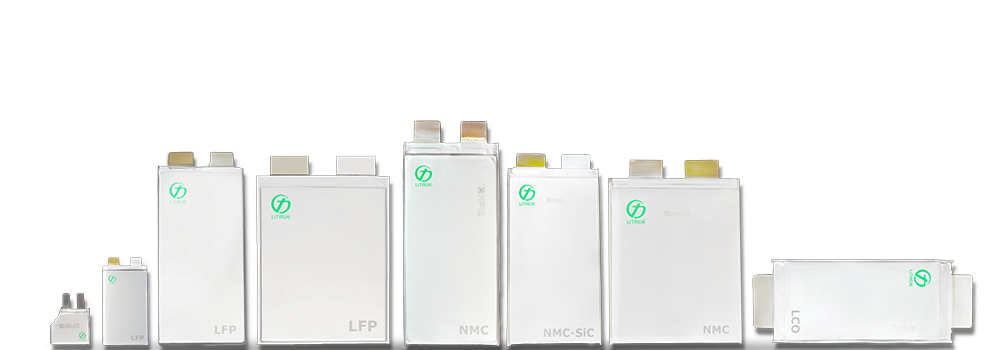
LiFePO4 pouch cells, or lithium iron phosphate pouch cells, represent a significant advancement in energy storage technology, particularly within the renewable energy sector. Their unique structure and chemistry provide several benefits that are increasingly relevant as the demand for sustainable energy solutions rises.
One of the standout features of LiFePO4 pouch cells is their thermal stability. Unlike other lithium-ion technologies, LiFePO4 cells are less prone to thermal runaway, making them a safer choice for energy storage applications. This characteristic is particularly important as energy storage systems are expected to operate under various environmental conditions.
In terms of performance, LiFePO4 pouch cells offer a long cycle life, often exceeding 2000 charge and discharge cycles. This longevity translates to reduced costs over time, benefiting both manufacturers and end-users. The cells maintain high efficiency even at elevated temperatures, ensuring reliable energy storage and delivery for solar power systems and other renewable energy applications.
Another notable advantage of LiFePO4 pouch cells is their environmental impact. The materials used in these cells are more environmentally friendly compared to other lithium-ion technologies. This aligns well with the goals of the renewable energy industry, which seeks to minimize ecological footprints while maximizing energy output.
The flexibility in design offered by pouch cells enhances their applicability in various scenarios. Their lightweight and compact format allows for integration into different systems, from electric vehicles to large-scale energy storage projects. This versatility opens doors for innovative applications, such as integrating these cells into solar energy systems to optimize energy use and storage.
Furthermore, LiFePO4 pouch cells exhibit a high discharge rate, making them suitable for applications requiring rapid power delivery. This characteristic is advantageous for solar energy systems, where the demand for immediate energy can fluctuate significantly.
In conclusion, LiFePO4 pouch cells are transforming the landscape of energy storage in renewable energy applications. Their thermal stability, long cycle life, environmental advantages, and design flexibility make them a compelling choice for addressing the challenges of energy storage. As the renewable energy sector continues to evolve, the role of LiFePO4 pouch cells will likely expand, paving the way for more efficient and sustainable energy solutions. Understanding these benefits can empower professionals in the industry to make informed decisions about energy storage technologies, ensuring a brighter, more sustainable future.
One of the standout features of LiFePO4 pouch cells is their thermal stability. Unlike other lithium-ion technologies, LiFePO4 cells are less prone to thermal runaway, making them a safer choice for energy storage applications. This characteristic is particularly important as energy storage systems are expected to operate under various environmental conditions.
In terms of performance, LiFePO4 pouch cells offer a long cycle life, often exceeding 2000 charge and discharge cycles. This longevity translates to reduced costs over time, benefiting both manufacturers and end-users. The cells maintain high efficiency even at elevated temperatures, ensuring reliable energy storage and delivery for solar power systems and other renewable energy applications.
Another notable advantage of LiFePO4 pouch cells is their environmental impact. The materials used in these cells are more environmentally friendly compared to other lithium-ion technologies. This aligns well with the goals of the renewable energy industry, which seeks to minimize ecological footprints while maximizing energy output.
The flexibility in design offered by pouch cells enhances their applicability in various scenarios. Their lightweight and compact format allows for integration into different systems, from electric vehicles to large-scale energy storage projects. This versatility opens doors for innovative applications, such as integrating these cells into solar energy systems to optimize energy use and storage.
Furthermore, LiFePO4 pouch cells exhibit a high discharge rate, making them suitable for applications requiring rapid power delivery. This characteristic is advantageous for solar energy systems, where the demand for immediate energy can fluctuate significantly.
In conclusion, LiFePO4 pouch cells are transforming the landscape of energy storage in renewable energy applications. Their thermal stability, long cycle life, environmental advantages, and design flexibility make them a compelling choice for addressing the challenges of energy storage. As the renewable energy sector continues to evolve, the role of LiFePO4 pouch cells will likely expand, paving the way for more efficient and sustainable energy solutions. Understanding these benefits can empower professionals in the industry to make informed decisions about energy storage technologies, ensuring a brighter, more sustainable future.
TAG:

Contact Us
E-mail :
info@litruepower.com
Phone:
+860379-65187266
Address:
No. 30 Science and Technology Avenue, Yibin District, Luoyang City, Henan Province
Contact LiTrue
Addr:No. 30 Science and Technology Avenue, Yibin District, Luoyang City, Henan Province