
Understanding UAV Lithium Batteries: Essential Insights for Optimal Performance
Jan 22,2026


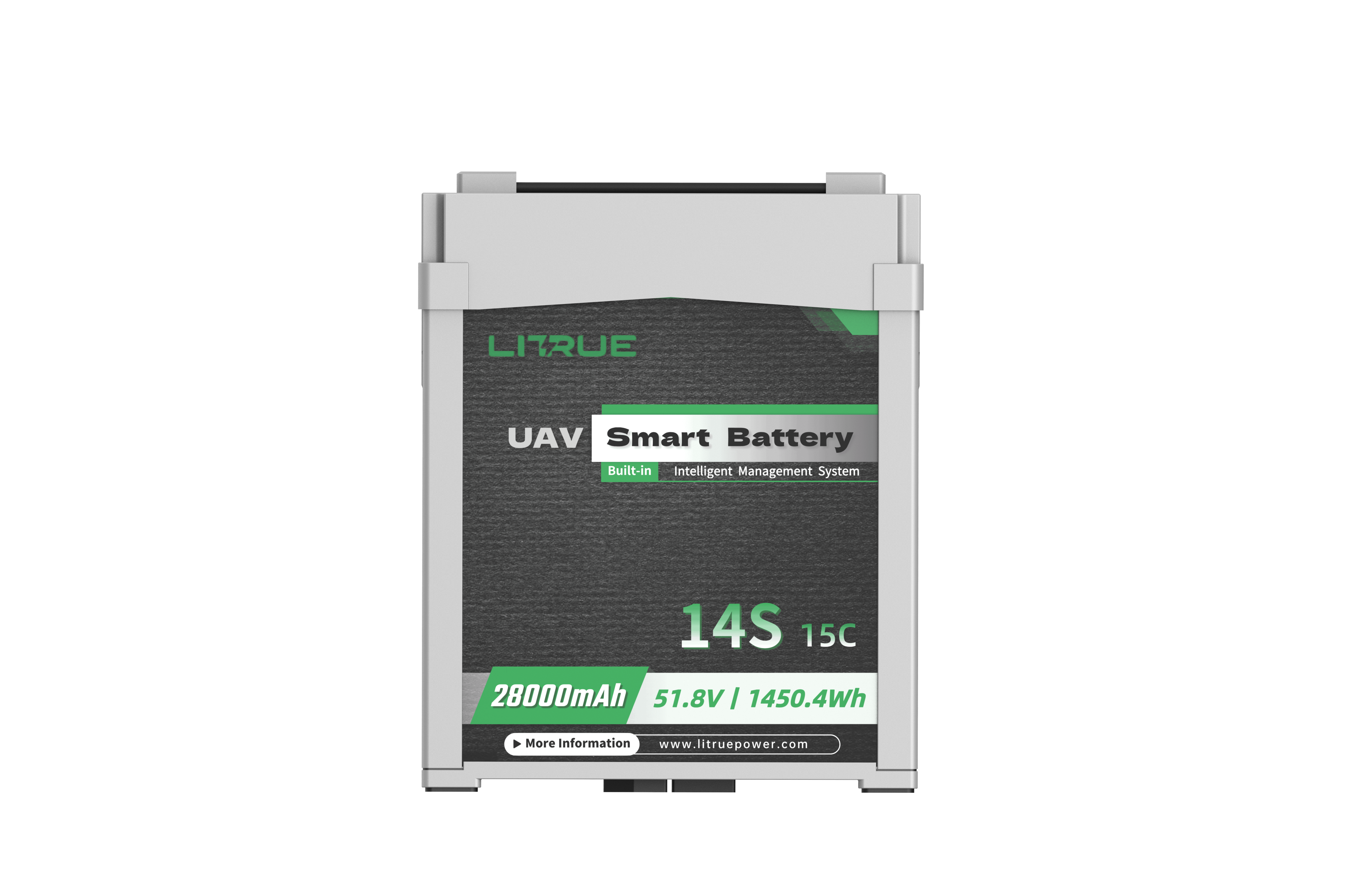
UAV lithium batteries play a crucial role in powering drones, enabling them to operate efficiently and effectively in various applications. These batteries, primarily made from lithium-ion or lithium polymer technology, are favored for their high energy density, lightweight nature, and ability to deliver consistent power. One of the most significant advantages of UAV lithium batteries is their capacity to provide longer flight times compared to traditional battery types. This feature allows UAV operators to maximize their operational capabilities, whether for aerial photography, surveying, or delivery tasks.
In addition to their impressive performance, UAV lithium batteries are designed with safety features that reduce the risk of overheating or short circuits. However, like any battery technology, they require proper handling and maintenance to ensure longevity and optimal performance. Here are some essential tips for managing UAV lithium batteries:
1. **Storage Conditions**: It is crucial to store lithium batteries in a cool, dry place. Fluctuating temperatures and humidity levels can negatively impact battery health. Ideally, batteries should be kept at a partial charge (around 40-60%) when not in use for extended periods.
2. **Charging Practices**: Always use a compatible charger designed specifically for lithium batteries. Overcharging or using an incorrect charger can lead to battery damage or even dangerous situations. Monitoring the charging process is also recommended to avoid excessive charging times.
3. **Regular Inspections**: Frequent checks of the battery’s physical condition, such as for swelling, discoloration, or leakage, can help identify potential issues before they become serious. If any abnormalities are noticed, it’s advisable to cease using the battery and dispose of it according to local regulations.
4. **Flight Time Management**: Understanding the battery’s capacity and monitoring flight times are vital for maintaining performance. Operators should aim to land the UAV before the battery is fully depleted, as deep discharges can shorten the lifespan of lithium batteries.
5. **Temperature Awareness**: UAV lithium batteries can be adversely affected by extreme temperatures. It’s essential to avoid using drones in environments that are too hot or too cold, as this can lead to reduced performance and potential damage.
6. **Disposal Practices**: When a lithium battery reaches the end of its life, it’s important to dispose of it responsibly. Many communities offer recycling programs specifically for lithium batteries, which help mitigate environmental impacts.
In conclusion, understanding the specific characteristics and maintenance needs of UAV lithium batteries is essential for any operator. By following best practices for storage, charging, and overall care, users can ensure that their batteries perform at their best, thereby enhancing the overall efficiency and safety of their UAV operations. Knowledge of UAV lithium batteries is not just beneficial for performance; it is a vital aspect of responsible drone management.
In addition to their impressive performance, UAV lithium batteries are designed with safety features that reduce the risk of overheating or short circuits. However, like any battery technology, they require proper handling and maintenance to ensure longevity and optimal performance. Here are some essential tips for managing UAV lithium batteries:
1. **Storage Conditions**: It is crucial to store lithium batteries in a cool, dry place. Fluctuating temperatures and humidity levels can negatively impact battery health. Ideally, batteries should be kept at a partial charge (around 40-60%) when not in use for extended periods.
2. **Charging Practices**: Always use a compatible charger designed specifically for lithium batteries. Overcharging or using an incorrect charger can lead to battery damage or even dangerous situations. Monitoring the charging process is also recommended to avoid excessive charging times.
3. **Regular Inspections**: Frequent checks of the battery’s physical condition, such as for swelling, discoloration, or leakage, can help identify potential issues before they become serious. If any abnormalities are noticed, it’s advisable to cease using the battery and dispose of it according to local regulations.
4. **Flight Time Management**: Understanding the battery’s capacity and monitoring flight times are vital for maintaining performance. Operators should aim to land the UAV before the battery is fully depleted, as deep discharges can shorten the lifespan of lithium batteries.
5. **Temperature Awareness**: UAV lithium batteries can be adversely affected by extreme temperatures. It’s essential to avoid using drones in environments that are too hot or too cold, as this can lead to reduced performance and potential damage.
6. **Disposal Practices**: When a lithium battery reaches the end of its life, it’s important to dispose of it responsibly. Many communities offer recycling programs specifically for lithium batteries, which help mitigate environmental impacts.
In conclusion, understanding the specific characteristics and maintenance needs of UAV lithium batteries is essential for any operator. By following best practices for storage, charging, and overall care, users can ensure that their batteries perform at their best, thereby enhancing the overall efficiency and safety of their UAV operations. Knowledge of UAV lithium batteries is not just beneficial for performance; it is a vital aspect of responsible drone management.
TAG:

Contact Us
E-mail :
info@litruepower.com
Phone:
+860379-65187266
Address:
No. 30 Science and Technology Avenue, Yibin District, Luoyang City, Henan Province
Contact LiTrue
Addr:No. 30 Science and Technology Avenue, Yibin District, Luoyang City, Henan Province