
Understanding LiFePO4 Pouch Cells: A Sustainable Energy Solution
Jan 16,2026


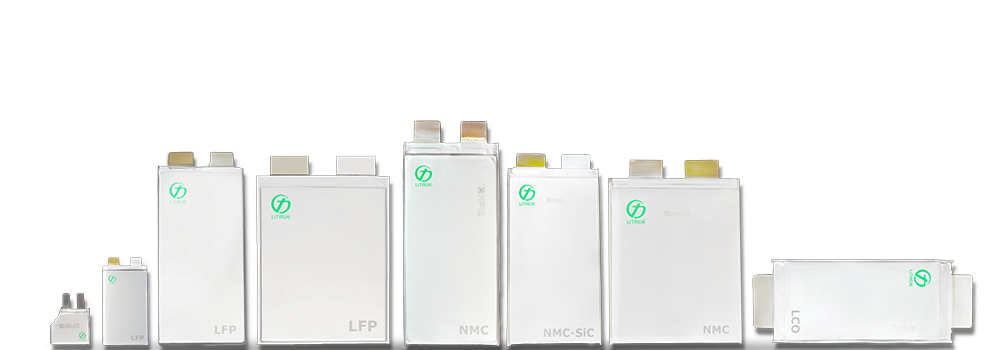
LiFePO4 (Lithium Iron Phosphate) pouch cells are rapidly gaining popularity in the realm of energy storage, thanks to their unique combination of safety, longevity, and environmental sustainability. These cells are characterized by their lightweight, flexible design and higher thermal stability compared to other lithium-ion batteries. This makes them particularly suitable for applications where weight and space are critical factors, such as in solar energy systems and electric vehicles.
One of the key advantages of LiFePO4 pouch cells is their enhanced safety profile. Unlike other lithium-based batteries, LiFePO4 cells are less prone to thermal runaway, which significantly reduces the risk of fires and explosions. This safety feature is especially crucial in renewable energy applications, where batteries are often subjected to varying environmental conditions and require reliable performance.
Another notable benefit of LiFePO4 pouch cells is their impressive cycle life. These batteries can endure thousands of charge and discharge cycles without significant degradation, often lasting over ten years with proper care. This longevity makes them an economical choice for energy storage, as they require less frequent replacement, leading to reduced waste and lower overall costs for solar energy systems.
Moreover, LiFePO4 pouch cells possess a high discharge rate, which allows for efficient energy delivery when needed most. This characteristic is particularly beneficial for solar energy applications, where energy demand can fluctuate throughout the day. The ability to quickly release stored energy ensures that systems remain responsive to real-time energy needs, enhancing overall efficiency.
In terms of environmental impact, the production and disposal of LiFePO4 pouch cells are generally more sustainable compared to other battery technologies. The materials used in these cells are non-toxic and abundant, making them a more eco-friendly choice for energy storage. This aligns well with the goals of the renewable energy industry, which seeks to minimize environmental harm while maximizing efficiency.
As advancements in battery technology continue, LiFePO4 pouch cells are likely to play a pivotal role in the transition toward cleaner energy solutions. Their versatile applications in solar energy systems, combined with their safety and longevity, position them as a preferred choice for both residential and industrial energy storage solutions.
In conclusion, LiFePO4 pouch cells represent a significant step forward in energy storage technology, particularly within the renewable energy sector. Their unique properties make them an attractive option for solar energy applications, promising a sustainable and efficient future for energy storage solutions. As the demand for renewable energy continues to rise, understanding and harnessing the potential of LiFePO4 pouch cells will be integral to achieving energy sustainability goals.
One of the key advantages of LiFePO4 pouch cells is their enhanced safety profile. Unlike other lithium-based batteries, LiFePO4 cells are less prone to thermal runaway, which significantly reduces the risk of fires and explosions. This safety feature is especially crucial in renewable energy applications, where batteries are often subjected to varying environmental conditions and require reliable performance.
Another notable benefit of LiFePO4 pouch cells is their impressive cycle life. These batteries can endure thousands of charge and discharge cycles without significant degradation, often lasting over ten years with proper care. This longevity makes them an economical choice for energy storage, as they require less frequent replacement, leading to reduced waste and lower overall costs for solar energy systems.
Moreover, LiFePO4 pouch cells possess a high discharge rate, which allows for efficient energy delivery when needed most. This characteristic is particularly beneficial for solar energy applications, where energy demand can fluctuate throughout the day. The ability to quickly release stored energy ensures that systems remain responsive to real-time energy needs, enhancing overall efficiency.
In terms of environmental impact, the production and disposal of LiFePO4 pouch cells are generally more sustainable compared to other battery technologies. The materials used in these cells are non-toxic and abundant, making them a more eco-friendly choice for energy storage. This aligns well with the goals of the renewable energy industry, which seeks to minimize environmental harm while maximizing efficiency.
As advancements in battery technology continue, LiFePO4 pouch cells are likely to play a pivotal role in the transition toward cleaner energy solutions. Their versatile applications in solar energy systems, combined with their safety and longevity, position them as a preferred choice for both residential and industrial energy storage solutions.
In conclusion, LiFePO4 pouch cells represent a significant step forward in energy storage technology, particularly within the renewable energy sector. Their unique properties make them an attractive option for solar energy applications, promising a sustainable and efficient future for energy storage solutions. As the demand for renewable energy continues to rise, understanding and harnessing the potential of LiFePO4 pouch cells will be integral to achieving energy sustainability goals.
TAG:
PREVIOUS:

Contact Us
E-mail :
info@litruepower.com
Phone:
+860379-65187266
Address:
No. 30 Science and Technology Avenue, Yibin District, Luoyang City, Henan Province
Contact LiTrue
Addr:No. 30 Science and Technology Avenue, Yibin District, Luoyang City, Henan Province