
Understanding LiFePO4 Pouch Cells: A Comprehensive Guide for Renewable Energy Professionals
Jan 06,2026


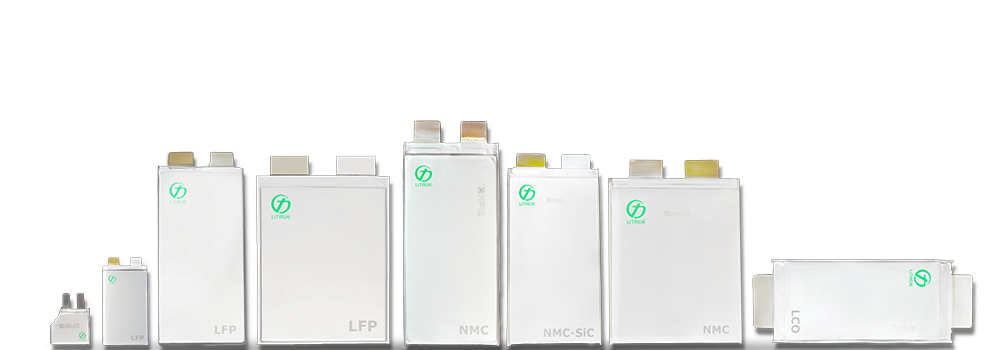
LiFePO4 pouch cells, or lithium iron phosphate pouch cells, are a type of lithium-ion battery known for their safety, longevity, and environmental benefits. As the demand for efficient and safe energy storage solutions grows, these cells have emerged as a pivotal technology in the realm of renewable energy systems, particularly in solar energy applications.
One of the most significant advantages of LiFePO4 pouch cells is their thermal stability. They typically exhibit a higher thermal runaway threshold compared to other lithium-ion batteries, which means they are less likely to catch fire or explode in extreme conditions. This safety feature is particularly important in renewable energy applications where reliability is paramount. Their robust performance in various operating conditions enhances their suitability for solar energy systems, where fluctuations in temperature and environmental conditions are common.
Another key benefit of LiFePO4 pouch cells is their long cycle life. These batteries can endure a significantly higher number of charge and discharge cycles—often exceeding 2,000 cycles—compared to other lithium-ion technologies. This longevity translates to lower replacement costs and less environmental waste, making them a sustainable choice for energy storage solutions in solar power installations.
In terms of energy density, while LiFePO4 pouch cells may not match the energy density of other lithium-ion chemistries like lithium nickel cobalt aluminum oxide (NCA), they compensate with their superior safety and life span. This balance makes them a popular choice for applications where safety is a higher priority than maximum energy capacity, such as electric vehicles and grid energy storage.
The pouch cell design also allows for a flexible form factor, enabling easier integration into various applications. Their lightweight and compact nature facilitates their use in portable devices and energy storage systems, making them suitable for both residential and commercial solar applications. Furthermore, the manufacturing process for LiFePO4 pouch cells is often more environmentally friendly than that of traditional batteries, aligning well with the values of sustainability that underpin the renewable energy sector.
In conclusion, LiFePO4 pouch cells represent a compelling option for professionals in the metallurgy and renewable energy fields, particularly in the solar energy sector. Their safety, longevity, and environmental benefits make them an attractive choice for various applications. As the renewable energy landscape continues to evolve, understanding and leveraging the advantages of these innovative battery technologies will be essential for driving sustainable energy solutions forward.
One of the most significant advantages of LiFePO4 pouch cells is their thermal stability. They typically exhibit a higher thermal runaway threshold compared to other lithium-ion batteries, which means they are less likely to catch fire or explode in extreme conditions. This safety feature is particularly important in renewable energy applications where reliability is paramount. Their robust performance in various operating conditions enhances their suitability for solar energy systems, where fluctuations in temperature and environmental conditions are common.
Another key benefit of LiFePO4 pouch cells is their long cycle life. These batteries can endure a significantly higher number of charge and discharge cycles—often exceeding 2,000 cycles—compared to other lithium-ion technologies. This longevity translates to lower replacement costs and less environmental waste, making them a sustainable choice for energy storage solutions in solar power installations.
In terms of energy density, while LiFePO4 pouch cells may not match the energy density of other lithium-ion chemistries like lithium nickel cobalt aluminum oxide (NCA), they compensate with their superior safety and life span. This balance makes them a popular choice for applications where safety is a higher priority than maximum energy capacity, such as electric vehicles and grid energy storage.
The pouch cell design also allows for a flexible form factor, enabling easier integration into various applications. Their lightweight and compact nature facilitates their use in portable devices and energy storage systems, making them suitable for both residential and commercial solar applications. Furthermore, the manufacturing process for LiFePO4 pouch cells is often more environmentally friendly than that of traditional batteries, aligning well with the values of sustainability that underpin the renewable energy sector.
In conclusion, LiFePO4 pouch cells represent a compelling option for professionals in the metallurgy and renewable energy fields, particularly in the solar energy sector. Their safety, longevity, and environmental benefits make them an attractive choice for various applications. As the renewable energy landscape continues to evolve, understanding and leveraging the advantages of these innovative battery technologies will be essential for driving sustainable energy solutions forward.
TAG:

Contact Us
E-mail :
info@litruepower.com
Phone:
+860379-65187266
Address:
No. 30 Science and Technology Avenue, Yibin District, Luoyang City, Henan Province
Contact LiTrue
Addr:No. 30 Science and Technology Avenue, Yibin District, Luoyang City, Henan Province