
Understanding Drone Lithium Batteries: Essential Insights for Enthusiasts
Dec 29,2025


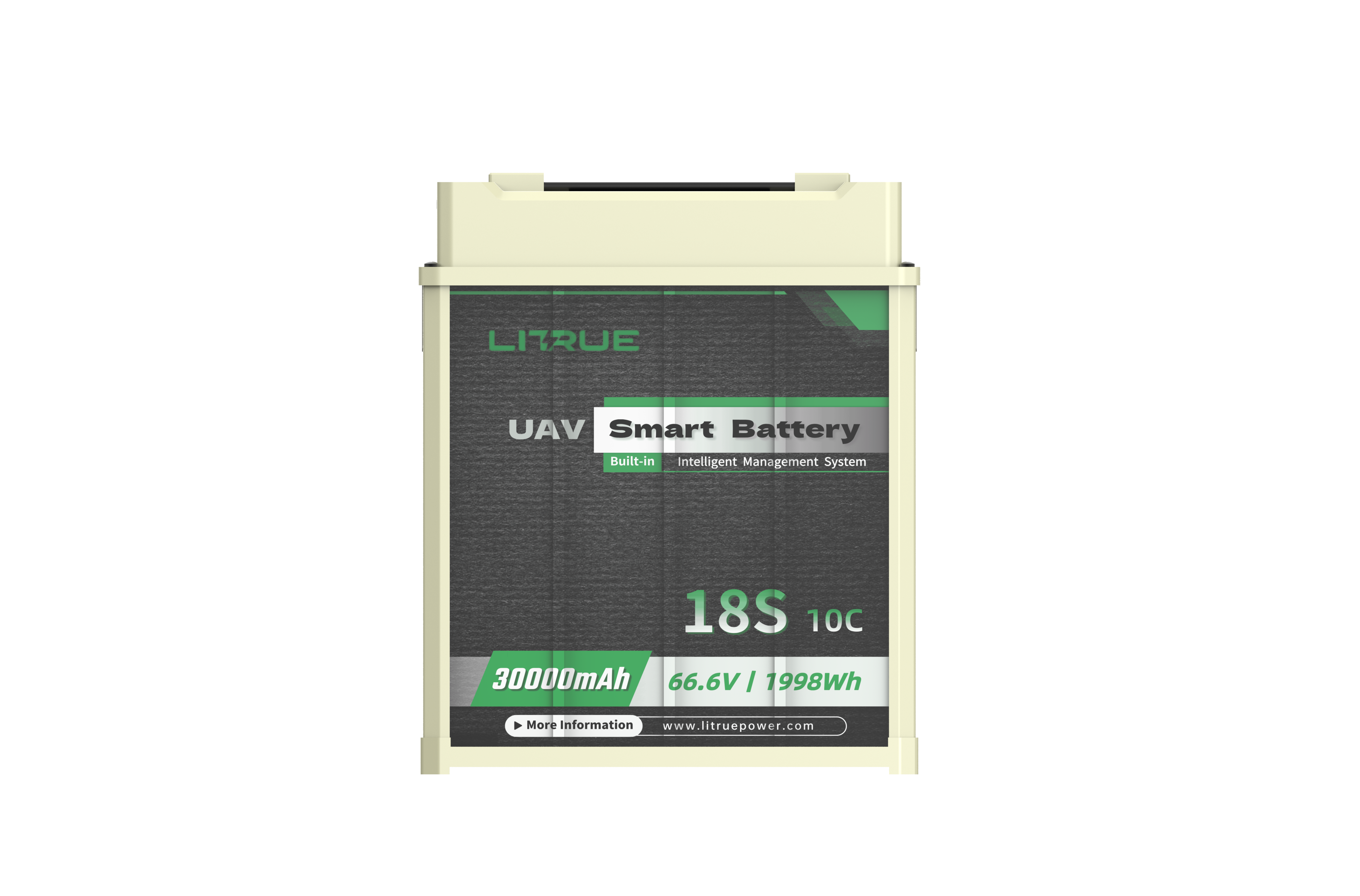
Lithium batteries have become a cornerstone in the world of drone technology, providing a reliable and efficient power source for various UAV applications. Understanding the intricacies of drone lithium batteries is essential for enthusiasts and professionals alike.
Firstly, lithium batteries are favored in the drone industry due to their lightweight and high energy density, which translates into longer flight times and better performance. These batteries are predominantly composed of lithium-ion or lithium-polymer (LiPo) technology. Lithium-ion batteries are known for their stability and longer cycle life, while LiPo batteries offer higher discharge rates and flexibility in shape and size, making them a popular choice for drones.
One of the significant advantages of drone lithium batteries is their ability to maintain performance over a range of temperatures. This stability is crucial for drones that may operate in various environmental conditions. Furthermore, lithium batteries possess a low self-discharge rate, meaning they retain their charge for extended periods when not in use. This feature is particularly beneficial for users who may not fly their drones frequently.
However, with great power comes great responsibility. Maintaining lithium batteries is vital for ensuring their longevity and safe operation. Users should be aware of the importance of not overcharging or deep-discharging their batteries, as these practices can lead to diminished performance and, in some cases, battery failure. Most modern chargers come equipped with safety features to prevent these issues, but it’s always good practice to monitor the charging process.
Another essential aspect of drone lithium batteries is their storage. Proper storage can significantly enhance battery life. Keeping batteries at a partial charge (around 40-60%) when storing them for extended periods is recommended. Additionally, storing them in a cool, dry place, away from direct sunlight and extreme temperatures, can help preserve their integrity.
Safety should always be a priority when handling drone lithium batteries. Users should be aware of the risks associated with lithium batteries, such as the potential for fire if they are punctured or improperly handled. Ensuring that batteries are stored in fireproof containers and following local regulations regarding battery disposal is essential for safety.
In conclusion, understanding drone lithium batteries is key for anyone involved in drone flying, whether for recreational or professional purposes. By recognizing their properties, benefits, and maintenance requirements, users can ensure a safer and more enjoyable flying experience. As technology continues to evolve, staying informed about advancements in lithium battery technology will help drone enthusiasts maximize their equipment's potential and performance.
Firstly, lithium batteries are favored in the drone industry due to their lightweight and high energy density, which translates into longer flight times and better performance. These batteries are predominantly composed of lithium-ion or lithium-polymer (LiPo) technology. Lithium-ion batteries are known for their stability and longer cycle life, while LiPo batteries offer higher discharge rates and flexibility in shape and size, making them a popular choice for drones.
One of the significant advantages of drone lithium batteries is their ability to maintain performance over a range of temperatures. This stability is crucial for drones that may operate in various environmental conditions. Furthermore, lithium batteries possess a low self-discharge rate, meaning they retain their charge for extended periods when not in use. This feature is particularly beneficial for users who may not fly their drones frequently.
However, with great power comes great responsibility. Maintaining lithium batteries is vital for ensuring their longevity and safe operation. Users should be aware of the importance of not overcharging or deep-discharging their batteries, as these practices can lead to diminished performance and, in some cases, battery failure. Most modern chargers come equipped with safety features to prevent these issues, but it’s always good practice to monitor the charging process.
Another essential aspect of drone lithium batteries is their storage. Proper storage can significantly enhance battery life. Keeping batteries at a partial charge (around 40-60%) when storing them for extended periods is recommended. Additionally, storing them in a cool, dry place, away from direct sunlight and extreme temperatures, can help preserve their integrity.
Safety should always be a priority when handling drone lithium batteries. Users should be aware of the risks associated with lithium batteries, such as the potential for fire if they are punctured or improperly handled. Ensuring that batteries are stored in fireproof containers and following local regulations regarding battery disposal is essential for safety.
In conclusion, understanding drone lithium batteries is key for anyone involved in drone flying, whether for recreational or professional purposes. By recognizing their properties, benefits, and maintenance requirements, users can ensure a safer and more enjoyable flying experience. As technology continues to evolve, staying informed about advancements in lithium battery technology will help drone enthusiasts maximize their equipment's potential and performance.
TAG:

Contact Us
E-mail :
info@litruepower.com
Phone:
+860379-65187266
Address:
No. 30 Science and Technology Avenue, Yibin District, Luoyang City, Henan Province
Contact LiTrue
Addr:No. 30 Science and Technology Avenue, Yibin District, Luoyang City, Henan Province