
UAV Lithium Batteries: Essential Insights for Every Drone Enthusiast
Feb 08,2026


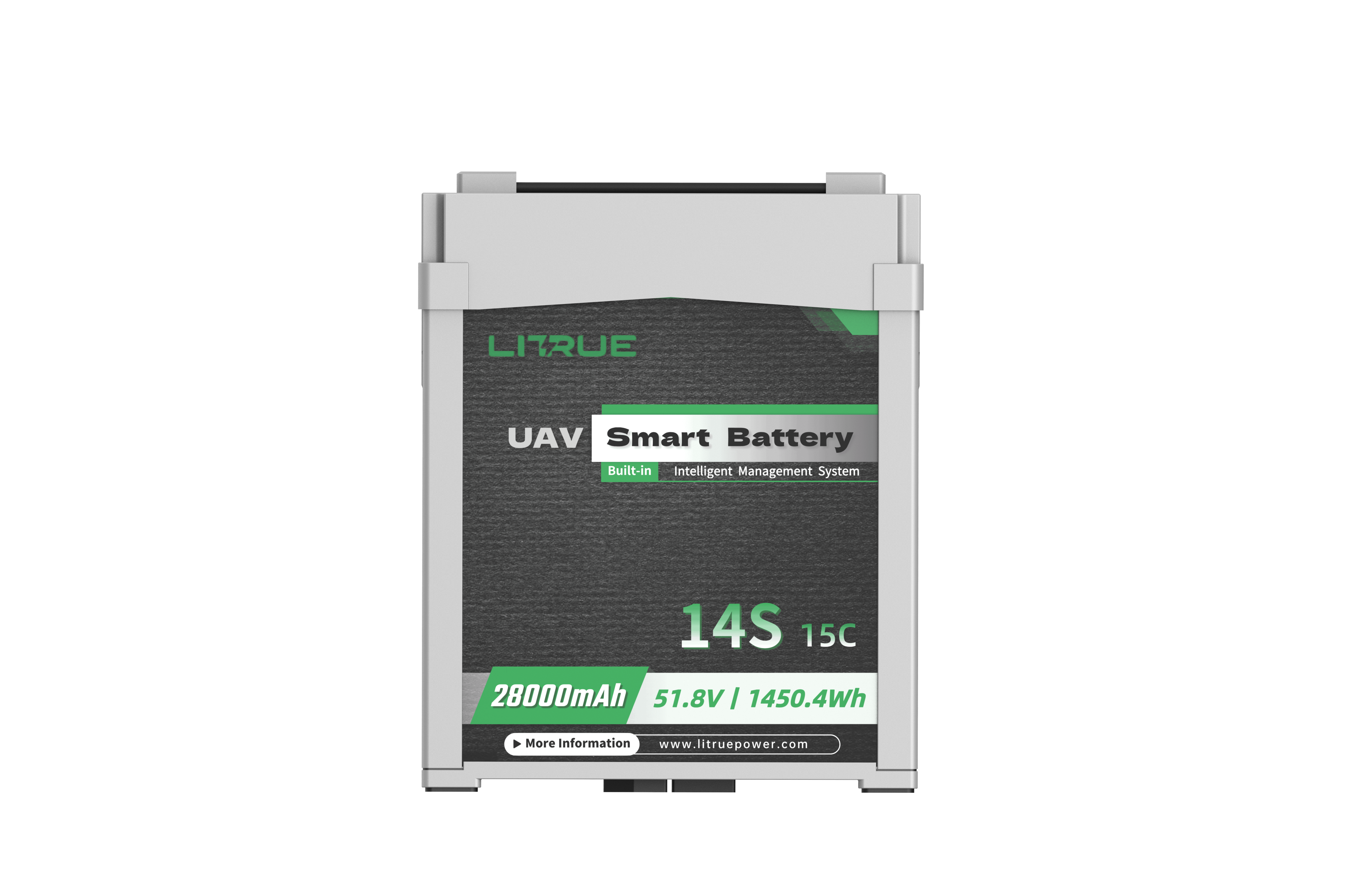
UAV Lithium Batteries: What Every Enthusiast Should Know
Table of Contents
1. Understanding Lithium Battery Technology
2. Why Choose Lithium Batteries for UAVs?
3. Types of Lithium Batteries Used in Drones
3.1 Lithium Polymer (LiPo) Batteries
3.2 Lithium-Ion (Li-Ion) Batteries
3.3 Lithium Iron Phosphate (LiFePO4) Batteries
4. Key Specifications to Consider
4.1 Voltage and Capacity
4.2 Charge Cycles and Lifespan
4.3 Weight and Form Factor
5. Best Practices for Battery Maintenance
6. Charging and Safety Tips for UAV Lithium Batteries
7. The Future of Lithium Batteries in UAV Technology
8. Frequently Asked Questions
8.1 How long do lithium batteries last in UAVs?
8.2 What is the best way to store lithium batteries?
8.3 Can I use a different charger for my UAV lithium battery?
8.4 What are the signs of a failing lithium battery?
8.5 Are there environmentally friendly options for lithium batteries?
1. Understanding Lithium Battery Technology
Lithium batteries have transformed the way we power devices, particularly in the UAV (Unmanned Aerial Vehicle) sector. These batteries are renowned for their high energy density, lightweight nature, and ability to be recharged quickly. Understanding the basic technology behind lithium batteries enables enthusiasts to make informed choices regarding their drone operations. Unlike traditional batteries, lithium batteries function through the movement of lithium ions between anode and cathode during discharge and charge cycles, offering a more efficient energy output.
2. Why Choose Lithium Batteries for UAVs?
When it comes to powering UAVs, lithium batteries stand out for several reasons. **First and foremost**, they provide a high energy-to-weight ratio, which is crucial for maintaining the flight stability and maneuverability of drones. **Additionally**, lithium batteries typically have a longer cycle life, meaning they can be recharged many times without significant degradation in performance. **Moreover**, their ability to deliver consistent voltage throughout their discharge cycle enhances the overall performance of UAVs, making them a preferred choice among drone enthusiasts.
3. Types of Lithium Batteries Used in Drones
Understanding the different types of lithium batteries available can help enthusiasts choose the right one for their UAV needs.
3.1 Lithium Polymer (LiPo) Batteries
LiPo batteries are the most popular type used in UAVs due to their lightweight design and high discharge rates. They come in various shapes and sizes, making them highly versatile. However, they require careful handling and specific charging protocols to ensure safety and longevity.
3.2 Lithium-Ion (Li-Ion) Batteries
Li-Ion batteries are known for their longevity and stability. They are generally heavier than LiPo batteries and offer a lower discharge rate, making them suitable for applications that demand longer flight times rather than high performance.
3.3 Lithium Iron Phosphate (LiFePO4) Batteries
LiFePO4 batteries provide excellent thermal stability and safety features, making them less prone to combustion. Although they are heavier and have a lower energy density compared to LiPo and Li-Ion batteries, they compensate with longevity and reliability.
4. Key Specifications to Consider
When selecting lithium batteries for your UAV, several specifications are critical to ensuring optimal performance.
4.1 Voltage and Capacity
The voltage of a battery affects its overall power output, while capacity, measured in milliamp-hours (mAh), indicates how long the battery can sustain a load. Selecting the right voltage and capacity is essential for matching the battery to the specific demands of your UAV.
4.2 Charge Cycles and Lifespan
The number of charge cycles a battery can endure before its performance deteriorates is crucial. Most lithium batteries have a lifespan of 300 to 500 full charge cycles. **Understanding this can help you plan your usage effectively.**
4.3 Weight and Form Factor
Weight significantly impacts a drone's flight performance. Battery weight must be balanced with other components to maintain efficiency. Additionally, the form factor of the battery should match the UAV’s design to ensure proper fitting.
5. Best Practices for Battery Maintenance
Maintaining lithium batteries is crucial for safety and longevity. Here are some best practices:
- **Regular Inspection:** Check for any signs of swelling, leakage, or damage before each flight.
- **Cycle Regularly:** Batteries should be cycled regularly to maintain optimal performance.
- **Keep Clean:** Ensure battery contacts are clean to facilitate efficient charging and discharging.
6. Charging and Safety Tips for UAV Lithium Batteries
Proper charging practices are essential for ensuring battery safety and performance. Always use a charger specifically designed for lithium batteries and avoid overcharging, which can lead to dangerous situations. **Furthermore**, always monitor the charging process and never leave batteries unattended while charging.
7. The Future of Lithium Batteries in UAV Technology
As technology advances, the future of lithium batteries in UAV applications looks promising. Researchers are constantly working on enhancing energy density and reducing charging times. Moreover, sustainable and environmentally friendly battery technologies are emerging, which might reshape the UAV landscape in the years to come.
8. Frequently Asked Questions
8.1 How long do lithium batteries last in UAVs?
The lifespan of lithium batteries in UAVs depends on usage, but they typically last between 300 to 500 charge cycles.
8.2 What is the best way to store lithium batteries?
Store lithium batteries in a cool, dry place, ideally at a partial charge of around 40-60% to preserve their longevity.
8.3 Can I use a different charger for my UAV lithium battery?
No, it's crucial to use a charger specifically designed for lithium batteries to ensure safety and optimal performance.
8.4 What are the signs of a failing lithium battery?
Signs include swelling, excessive heat during charging, or significantly reduced flight times. If you notice these symptoms, it’s best to discontinue use.
8.5 Are there environmentally friendly options for lithium batteries?
Yes, research is ongoing into more sustainable battery technologies, including biodegradable components and improved recycling methods.
Conclusion
In conclusion, understanding UAV lithium batteries is essential for any drone enthusiast aiming to enhance their flying experience. By exploring the different types, specifications, and maintenance practices, enthusiasts can make informed decisions that ensure safety, performance, and longevity. As technology evolves, staying updated with advancements will further empower users to navigate the skies with confidence. Whether you're a beginner or a seasoned pilot, the knowledge of lithium batteries will undoubtedly elevate your UAV endeavors.
TAG:

Contact Us
E-mail :
info@litruepower.com
Phone:
+860379-65187266
Address:
No. 30 Science and Technology Avenue, Yibin District, Luoyang City, Henan Province
Contact LiTrue
Addr:No. 30 Science and Technology Avenue, Yibin District, Luoyang City, Henan Province