
The Integration of LiFePO4 Pouch Cells in Hybrid Energy Systems: A Comprehensive Guide
Jan 11,2026


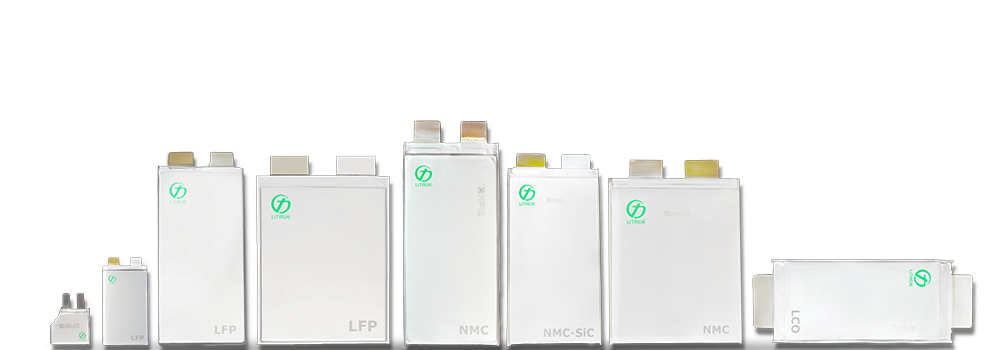
The Integration of LiFePO4 Pouch Cells in Hybrid Energy Systems
Table of Contents
- 1. Introduction to Hybrid Energy Systems
- 2. What Are LiFePO4 Pouch Cells?
- 3. Advantages of LiFePO4 Pouch Cells
- 4. Applications of LiFePO4 Pouch Cells in Hybrid Energy Systems
- 5. Challenges in Integration and Solutions
- 6. Future Prospects of LiFePO4 in Hybrid Energy Systems
- 7. Case Studies on LiFePO4 Pouch Cells
- 8. Conclusion
- 9. FAQs
1. Introduction to Hybrid Energy Systems
Hybrid energy systems combine multiple energy sources to provide more efficient, reliable, and sustainable power solutions. As the world moves toward greener energy alternatives, integrating renewable sources such as solar, wind, and biomass with advanced energy storage technologies like LiFePO4 pouch cells has become essential. This article will examine how these cells enhance the efficiency and reliability of hybrid systems.
2. What Are LiFePO4 Pouch Cells?
LiFePO4 (Lithium Iron Phosphate) pouch cells are a type of lithium-ion battery known for their unique chemical composition and physical structure. Unlike traditional cylindrical or prismatic batteries, pouch cells are designed in flexible, flat formats, which makes them lightweight and space-efficient. Their chemical stability and robustness make them ideal for various applications, particularly in hybrid energy systems.
3. Advantages of LiFePO4 Pouch Cells
Integrating LiFePO4 pouch cells into hybrid energy systems offers numerous advantages that enhance performance, safety, and longevity.
3.1 Safety Features
Safety is a primary concern in energy storage systems. LiFePO4 pouch cells are less prone to thermal runaway compared to other lithium-ion chemistries. Their stable chemical structure ensures minimal risk of combustion, making them a safer option for various applications, particularly in densely populated areas.
3.2 Thermal Stability
These cells exhibit remarkable thermal stability, allowing them to operate effectively across a wide temperature range. This property ensures that LiFePO4 pouch cells can function optimally in diverse environmental conditions, making them suitable for both indoor and outdoor installations.
3.3 Long Cycle Life
LiFePO4 pouch cells boast a significantly extended cycle life compared to other battery technologies. They can endure thousands of charge and discharge cycles while maintaining their capacity, making them a cost-effective solution for long-term energy storage needs.
4. Applications of LiFePO4 Pouch Cells in Hybrid Energy Systems
The versatility of LiFePO4 pouch cells allows their integration into various hybrid energy systems, enhancing their efficiency and reliability.
4.1 Renewable Energy Storage
LiFePO4 pouch cells are particularly effective for storing energy generated from renewable sources. Their ability to quickly charge and discharge makes them ideal for balancing energy supply and demand in solar and wind power systems.
4.2 Electric Vehicles (EVs)
In the electric vehicle sector, LiFePO4 pouch cells provide a lightweight and efficient energy source. Their safety features and long cycle life make them a preferred choice for EV manufacturers, contributing to the advancement of sustainable transportation solutions.
4.3 Backup Power Systems
Hybrid energy systems often require reliable backup power solutions. LiFePO4 pouch cells can be integrated into uninterruptible power supply (UPS) systems, ensuring continuous operation during outages while maintaining a compact footprint.
5. Challenges in Integration and Solutions
Despite their numerous advantages, integrating LiFePO4 pouch cells into hybrid energy systems presents certain challenges.
5.1 Cost Considerations
The initial investment for LiFePO4 pouch cells can be higher than other battery technologies. However, their long lifespan and reduced maintenance costs often offset the initial expense over time.
5.2 Integration Complexity
Integrating these cells into existing hybrid systems can be complex. Collaborating with experienced engineers and adopting modular designs can simplify the integration process and enhance system performance.
5.3 Market Acceptance
There is still a degree of skepticism regarding the adoption of new battery technologies. Education and outreach are critical to informing stakeholders about the benefits of LiFePO4 pouch cells and their role in enhancing hybrid energy systems.
6. Future Prospects of LiFePO4 in Hybrid Energy Systems
The future of LiFePO4 pouch cells in hybrid energy systems looks promising. As technology advances, we can expect further enhancements in energy density, efficiency, and sustainability. Ongoing research and development efforts will likely lead to new applications and improvements in existing technology.
7. Case Studies on LiFePO4 Pouch Cells
Real-world examples provide insights into the successful integration of LiFePO4 pouch cells in hybrid energy systems.
7.1 Solar-Powered Microgrid
One example is the integration of LiFePO4 pouch cells in a solar-powered microgrid. This project demonstrated significant improvements in energy storage capabilities, allowing for greater utilization of solar energy and reduced reliance on fossil fuels.
7.2 Electric Bus Fleet
Another case study involved using LiFePO4 pouch cells in electric buses. The buses showcased extended range capabilities and efficient energy management, underscoring the advantages of these cells in public transportation.
8. Conclusion
The integration of LiFePO4 pouch cells in hybrid energy systems represents a significant advancement in energy storage technology. Their safety, thermal stability, and long cycle life make them an ideal choice for various applications, from renewable energy storage to electric vehicles. As we look toward a more sustainable future, embracing these innovative energy solutions will play a pivotal role in developing efficient and resilient energy systems.
9. FAQs
What are the main benefits of using LiFePO4 pouch cells?
LiFePO4 pouch cells offer high safety, excellent thermal stability, long cycle life, and low environmental impact.
How do LiFePO4 pouch cells compare to other battery technologies?
Compared to other lithium-ion batteries, LiFePO4 cells are safer and have a longer lifespan, although they may have a lower energy density.
Can LiFePO4 pouch cells be used in electric vehicles?
Yes, they are widely used in electric vehicles due to their safety features and long cycle life.
What challenges are associated with integrating LiFePO4 pouch cells?
Challenges include initial cost, integration complexity, and market acceptance, but these can often be mitigated with proper planning and education.
What does the future hold for LiFePO4 pouch cells in hybrid energy systems?
The future looks bright, with ongoing advancements expected to improve energy density and efficiency, as well as expand their applications across various sectors.
TAG:

Contact Us
E-mail :
info@litruepower.com
Phone:
+860379-65187266
Address:
No. 30 Science and Technology Avenue, Yibin District, Luoyang City, Henan Province
Contact LiTrue
Addr:No. 30 Science and Technology Avenue, Yibin District, Luoyang City, Henan Province