
The Connection Between UAV Lithium Batteries and Flight Range: Unleashing the Potential of Drone Technology
Jan 29,2026


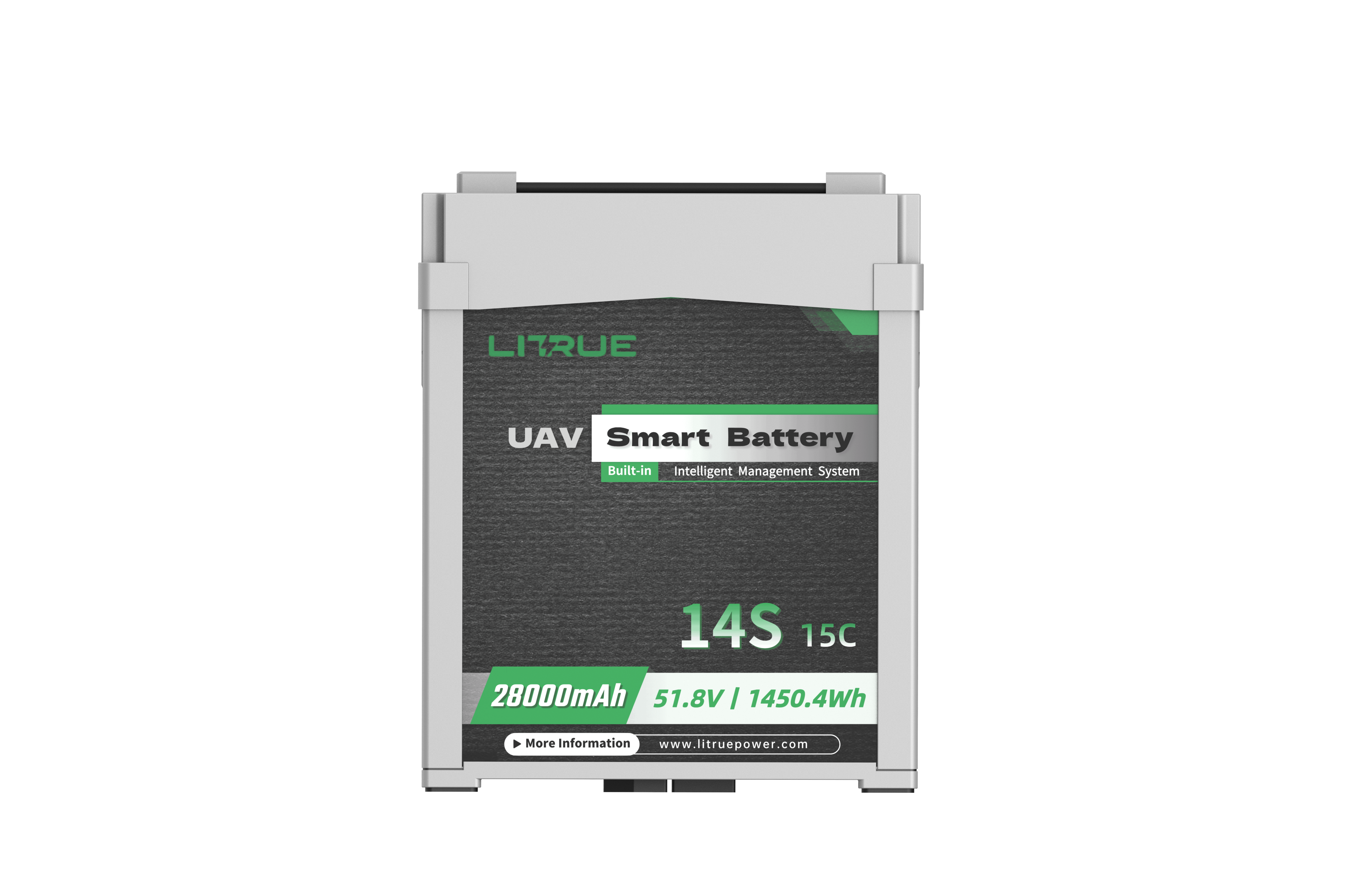
The Connection Between UAV Lithium Batteries and Flight Range
As the world increasingly embraces technology, Unmanned Aerial Vehicles (UAVs) have emerged at the forefront of innovation. The efficiency and performance of these drones largely hinge upon one crucial component: the lithium battery. Understanding the intricate relationship between UAV lithium batteries and their flight range can significantly enhance the operational capabilities of drones, making it essential for enthusiasts and professionals alike.
Understanding Lithium Batteries in UAVs
Lithium batteries have become the go-to power source for UAVs due to their superior energy density, lightweight nature, and long cycle life. In this section, we will delve into the fundamental characteristics of lithium batteries that make them suitable for UAV applications.
The Composition and Chemistry of Lithium Batteries
Lithium batteries primarily consist of lithium cobalt oxide, lithium iron phosphate, and lithium manganese oxide. These materials contribute to their high voltage and energy capacity. The chemical reactions within these batteries allow for rapid energy discharge, making them ideal for the quick bursts of power needed during UAV flights.
Key Advantages of Lithium Batteries for UAVs
Lithium batteries offer several advantages that enhance UAV performance:
1. **High Energy Density**: Lithium batteries carry more energy per unit weight than other battery types, enabling longer flight durations.
2. **Long Cycle Life**: These batteries can endure numerous charge and discharge cycles, ensuring that they maintain their performance over time.
3. **Lightweight Design**: The lightweight nature of lithium batteries allows UAVs to carry additional payloads without compromising flight efficiency.
How Flight Range is Measured in UAVs
The flight range of a UAV is determined by various factors, including battery capacity, weight, aerodynamics, and environmental conditions. Understanding how these elements interact is crucial in maximizing the operational range of drones.
Battery Capacity and Its Role in Flight Range
Battery capacity, measured in milliampere-hours (mAh), directly influences the flight range. A higher capacity battery can store more energy, allowing the drone to remain airborne for extended periods. However, it is essential to consider the drone's power consumption, which varies with flight conditions and payload weight.
The Impact of Weight on Flight Duration
The total weight of the UAV, including its battery, payload, and structural components, significantly affects flight range. Heavier drones may require more power to maintain altitude, thereby reducing overall flight time. Striking the right balance between weight and payload is critical for optimizing flight performance.
The Science of Energy Efficiency in UAV Operations
Maximizing energy efficiency is key to extending flight range. This section will explore the various strategies operators can employ to enhance the efficiency of their UAVs.
Optimal Flight Techniques for Enhanced Range
Drones can adopt various flight techniques to optimize energy use. These include:
1. **Smooth Ascents and Descents**: Gradual climbs and descents reduce energy consumption compared to abrupt movements.
2. **Efficient Route Planning**: Using GPS technology and flight planning software can help operators identify the most efficient flight paths, minimizing unnecessary travel distance.
The Role of Aerodynamics in Flight Range
The design of the UAV significantly impacts its aerodynamics and, consequently, its flight efficiency. Streamlined shapes reduce drag, leading to lower energy consumption. Manufacturers continually innovate to create designs that balance performance with energy efficiency.
Real-World Applications of UAVs with Lithium Batteries
UAVs equipped with lithium batteries have transformed various industries. This section will highlight some of the most significant applications.
Agricultural Use of Drones
In agriculture, drones play a vital role in crop monitoring, precision spraying, and soil analysis. The extended flight range provided by lithium batteries allows farmers to cover vast fields efficiently, delivering timely interventions that enhance yield.
Inspection and Surveillance Applications
Lithium-powered drones are increasingly used in inspection and surveillance tasks, such as monitoring infrastructure, power lines, and wildlife. The extended flight capabilities enable thorough inspections without requiring frequent battery changes, increasing productivity.
The Future of UAV Lithium Battery Technology
As technology continues to advance, the future of UAV lithium battery technology holds exciting possibilities. This section explores emerging trends and innovations.
Solid-State Batteries and Their Potential
Solid-state batteries are emerging as a promising alternative to traditional lithium-ion batteries. These batteries offer increased energy density and improved safety features, potentially revolutionizing the UAV industry by extending flight ranges even further.
Advancements in Battery Management Systems
Battery management systems (BMS) are essential for optimizing the performance and longevity of UAV batteries. Innovations in BMS technology can enhance energy efficiency and provide real-time monitoring, ensuring drones operate within safe parameters.
Frequently Asked Questions (FAQs)
1. How do lithium batteries compare to other battery types for UAVs?
Lithium batteries outperform other types, such as nickel-cadmium or lead-acid batteries, due to their higher energy density, lighter weight, and longer cycle life, making them more suitable for UAV applications.
2. What factors affect the flight range of a UAV?
Flight range is influenced by battery capacity, the weight of the drone and its payload, aerodynamics, and flight techniques used during operation.
3. Can I extend my UAV's flight range with battery upgrades?
Upgrading to a higher capacity lithium battery can extend your UAV's flight range, provided that the weight limit and power requirements of the drone are considered.
4. How can I improve the energy efficiency of my drone?
Improving energy efficiency can be achieved through optimal flight techniques, efficient route planning, and ensuring that the drone design minimizes drag.
5. What are the environmental considerations for UAV battery disposal?
Lithium batteries must be disposed of properly to prevent environmental damage. Many manufacturers offer recycling programs to ensure that batteries are disposed of in an eco-friendly manner.
Conclusion
The relationship between UAV lithium batteries and flight range is pivotal in maximizing the performance and functionality of drones. As technology advances, understanding the dynamics of battery capacity, weight, and energy efficiency becomes increasingly important for operators. By leveraging the advantages of lithium batteries and applying best practices in UAV operation, users can optimize their aerial experiences, whether for agricultural, industrial, or recreational purposes. As we look to the future, innovations in battery technology promise even greater capabilities, transforming the landscape of UAV applications. The potential to extend flight ranges and enhance operational efficiency is just around the corner, and embracing these advancements will ensure that we remain at the forefront of drone technology.
TAG:

Contact Us
E-mail :
info@litruepower.com
Phone:
+860379-65187266
Address:
No. 30 Science and Technology Avenue, Yibin District, Luoyang City, Henan Province
Contact LiTrue
Addr:No. 30 Science and Technology Avenue, Yibin District, Luoyang City, Henan Province