
LiFePO4 Pouch Cells: The Heart of Modern Renewable Energy Solutions
Feb 12,2026


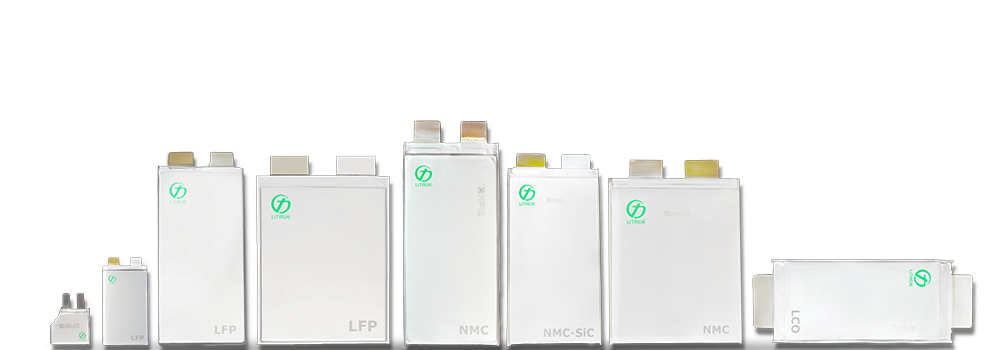
LiFePO4 Pouch Cells: The Heart of Modern Renewable Energy Solutions
In the ever-evolving landscape of renewable energy, **LiFePO4 pouch cells** are emerging as a critical component in energy storage systems. As we strive to transition to sustainable energy sources, understanding these cells becomes paramount. This article delves into the intricacies of LiFePO4 pouch cells, exploring their chemistry, benefits, applications, and future potential.
Table of Contents
- What are LiFePO4 Pouch Cells?
- Chemistry and Construction of LiFePO4 Pouch Cells
- Advantages of LiFePO4 Pouch Cells
- Applications of LiFePO4 Pouch Cells
- Comparison with Other Battery Types
- Future of LiFePO4 Pouch Cells in Renewable Energy
- Sustainability and Environmental Impact
- FAQs About LiFePO4 Pouch Cells
What are LiFePO4 Pouch Cells?
LiFePO4 (Lithium Iron Phosphate) pouch cells are a type of lithium-ion battery characterized by their soft, flat packaging. Unlike traditional cylindrical or prismatic cells, these pouch cells have a lightweight design that maximizes efficiency and energy density. **LiFePO4 chemistry** provides high thermal stability, making these batteries a safe and reliable choice for energy storage in various applications.
The Structure of LiFePO4 Pouch Cells
The construction of LiFePO4 pouch cells involves several layers: the anode, cathode, separator, and electrolyte. The anode typically consists of graphite, while the cathode is made of lithium iron phosphate. The separator isolates these two components while allowing lithium ions to flow, and the electrolyte facilitates this ion movement. This layered structure contributes to the battery’s performance and longevity.
Chemistry and Construction of LiFePO4 Pouch Cells
The unique **chemical composition** of LiFePO4 pouch cells sets them apart. The iron phosphate used in the cathode material provides several advantages, including increased safety and stability under various conditions, compared to other lithium-ion technologies.
Electrochemical Properties
LiFePO4 pouch cells exhibit excellent electrochemical properties, including a high discharge rate and exceptional cycle life. They typically feature a nominal voltage of around 3.2 V per cell and can deliver a continuous current of 1C to 3C or higher, depending on the design and application.
Thermal Stability
One of the most significant advantages of LiFePO4 is its thermal stability. It remains stable even at elevated temperatures, mitigating the risk of thermal runaway, a common concern with other lithium-ion batteries. This feature enhances safety in applications where thermal management is crucial.
Advantages of LiFePO4 Pouch Cells
The growing adoption of LiFePO4 pouch cells can be attributed to their numerous benefits:
Safety and Reliability
Safety is a critical aspect in battery technology. LiFePO4 pouch cells have a lower risk of explosion or combustion, making them suitable for applications in consumer electronics, electric vehicles, and renewable energy storage systems. Their stable chemistry enhances their reliability in demanding environments.
Long Cycle Life
LiFePO4 pouch cells typically offer a cycle life of 2000 to 5000 cycles, significantly higher than many other lithium-ion batteries. This longevity translates to lower replacement costs and reduced environmental impact over time, making them a sustainable choice for energy storage.
High Thermal Stability
As previously mentioned, LiFePO4's thermal stability allows for safe operation at high temperatures. This characteristic is particularly essential in applications where batteries are subjected to various environmental conditions, ensuring a longer lifespan and consistent performance.
Environmental Sustainability
LiFePO4 is composed of abundant materials, making it a more sustainable choice compared to cobalt or nickel-based batteries. The extraction of these materials has a lower environmental impact, aligning with global efforts toward sustainable energy solutions.
Applications of LiFePO4 Pouch Cells
LiFePO4 pouch cells are versatile and find applications across various sectors:
Renewable Energy Storage Systems
One of the most significant applications of LiFePO4 pouch cells is in renewable energy storage systems, such as solar energy systems and wind energy systems. These cells effectively store energy generated during peak production times, releasing it when demand is high.
Electric Vehicles (EVs)
The electric vehicle industry has embraced LiFePO4 pouch cells due to their safety and longevity. Many manufacturers choose these cells for their electric cars, contributing to the development of sustainable transportation solutions.
Consumer Electronics
From smartphones to laptops, LiFePO4 pouch cells are increasingly used in consumer electronics, where lightweight and high capacity are desired. Their safety features also make them a popular choice in portable devices.
Power Tools
The power tool industry benefits from the high discharge rates and long cycle life of LiFePO4 pouch cells. These batteries provide reliable power for tools, enhancing performance and ensuring durability.
Comparison with Other Battery Types
When evaluating battery technologies, it’s crucial to compare LiFePO4 pouch cells to other common types:
Li-ion vs. LiFePO4
While traditional lithium-ion batteries, such as those using cobalt, might offer higher energy density, they come with increased risks and lower thermal stability. In contrast, LiFePO4 pouch cells strike a balance between safety, longevity, and environmental sustainability.
Advantages Over Nickel-Cobalt-Manganese (NCM) Batteries
LiFePO4 pouch cells outperform NCM batteries in terms of safety and thermal stability. Although NCM batteries may offer higher energy density, the risk of thermal runaway poses a significant concern, particularly in high-performance applications.
Future of LiFePO4 Pouch Cells in Renewable Energy
The future of LiFePO4 pouch cells is promising, particularly in the context of renewable energy solutions. As we move toward more sustainable energy systems, the demand for efficient, safe, and environmentally friendly energy storage solutions will continue to grow.
Advancements in Technology
Ongoing research and development efforts aim to enhance the performance of LiFePO4 pouch cells. Innovations in manufacturing processes and materials are expected to improve energy density and reduce costs, making these cells even more competitive in the market.
The Role of Government Policies
Government initiatives and incentives aimed at promoting renewable energy adoption will likely drive further advancements in LiFePO4 technology. As countries commit to reducing carbon emissions, the transition to sustainable battery solutions will become more critical.
Sustainability and Environmental Impact
The environmental impact of battery technology cannot be overlooked. LiFePO4 pouch cells contribute positively to sustainability efforts due to their abundant materials and lower carbon footprint compared to other battery types.
Recycling and Disposal
As the market for LiFePO4 pouch cells grows, so too does the need for effective recycling solutions. The development of recycling processes that safely reclaim materials will be essential in minimizing environmental impact and ensuring a sustainable lifecycle for these batteries.
FAQs About LiFePO4 Pouch Cells
1. What is the lifespan of LiFePO4 pouch cells?
LiFePO4 pouch cells typically have a lifespan of 2000 to 5000 charge cycles, depending on usage and conditions.
2. Are LiFePO4 pouch cells safe?
Yes, LiFePO4 pouch cells are known for their safety due to their thermal stability and lower risk of thermal runaway.
3. Can LiFePO4 pouch cells be used in electric vehicles?
Absolutely. They are widely used in electric vehicles due to their long cycle life and safety features.
4. How do LiFePO4 pouch cells compare to lithium-ion batteries?
While lithium-ion batteries may offer higher energy density, LiFePO4 pouch cells excel in safety, thermal stability, and environmental sustainability.
5. What are the environmental benefits of LiFePO4 pouch cells?
LiFePO4 pouch cells are made from abundant materials, have a lower environmental impact during extraction, and are recyclable, contributing to sustainability efforts.
Conclusion
LiFePO4 pouch cells represent a significant advancement in battery technology, playing a crucial role in the renewable energy landscape. Their unique combination of safety, longevity, and environmental sustainability makes them an ideal solution for various applications, from electric vehicles to power tools. As the demand for renewable energy solutions continues to surge, LiFePO4 pouch cells will undoubtedly remain at the forefront, driving innovation and contributing to a greener future. Understanding and leveraging these cells will be essential for anyone invested in the realm of sustainable energy solutions.
TAG:

Contact Us
E-mail :
info@litruepower.com
Phone:
+860379-65187266
Address:
No. 30 Science and Technology Avenue, Yibin District, Luoyang City, Henan Province
Contact LiTrue
Addr:No. 30 Science and Technology Avenue, Yibin District, Luoyang City, Henan Province