
Key Features of LiFePO4 Pouch Cells That Enhance Energy Efficiency
Jan 01,2026


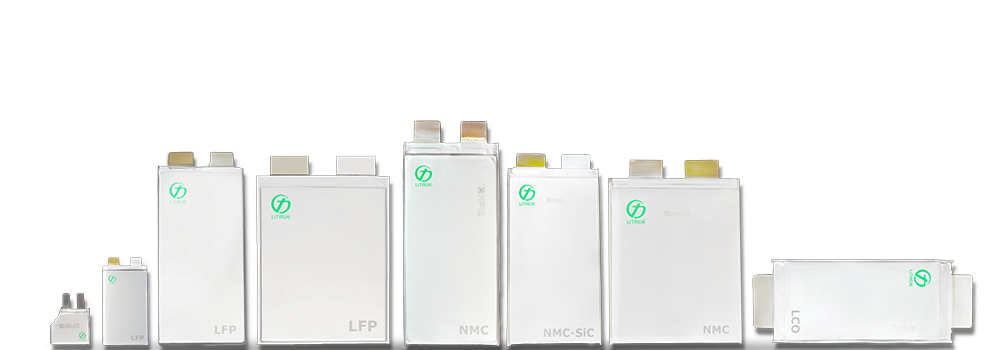
Key Features of LiFePO4 Pouch Cells That Enhance Energy Efficiency
Introduction to LiFePO4 Pouch Cells
LiFePO4 (Lithium Iron Phosphate) pouch cells represent a significant advancement in energy storage technology, particularly in the realm of renewable energy solutions. As the demand for efficient, sustainable energy sources continues to rise, understanding the **key features** of LiFePO4 pouch cells becomes essential for manufacturers, researchers, and consumers alike. This article delves deep into the attributes that enhance the energy efficiency of these innovative cells, making them a preferred choice for various applications.
Understanding the Basics of LiFePO4 Technology
LiFePO4 cells are a type of lithium-ion battery that utilizes lithium iron phosphate as the cathode material. This configuration offers several advantages over other lithium-ion batteries, such as increased thermal stability, improved safety, and longevity. Pouch cells, in particular, are known for their lightweight and flexible design, making them ideal for a range of applications from electric vehicles to renewable energy systems.
1. High Energy Density
One of the primary features that enhance the energy efficiency of LiFePO4 pouch cells is their **high energy density**. This characteristic allows these cells to store a substantial amount of energy in a relatively compact form. The energy density of LiFePO4 batteries typically ranges between 90-160 Wh/kg, which is higher than many other battery types. This capability means that fewer cells are required to achieve the same level of energy output, leading to a reduction in overall system weight and volume.
2. Exceptional Cycle Life
LiFePO4 pouch cells exhibit an **exceptional cycle life**, often exceeding 2000 charge-discharge cycles. This longevity is primarily attributed to the stable chemistry of lithium iron phosphate, which resists degradation over time. As a result, users can enjoy prolonged performance without significant capacity loss, making these cells a cost-effective choice for energy storage. The extended cycle life also minimizes the frequency of replacements, further enhancing energy efficiency by reducing waste.
3. Enhanced Thermal Stability and Safety
Safety is a critical concern in energy storage, and LiFePO4 pouch cells excel in this area due to their **enhanced thermal stability**. Unlike other lithium-ion batteries, LiFePO4 cells are less prone to thermal runaway, a phenomenon that can lead to overheating and combustion. This stability allows them to operate safely at higher temperatures, making them suitable for a variety of environments. The inherent safety of LiFePO4 technology also translates into lower costs associated with management systems, further optimizing energy efficiency.
4. Superior Charge and Discharge Rates
Another notable feature of LiFePO4 pouch cells is their **superior charge and discharge rates**. These cells can handle high currents without significant voltage drops, allowing for rapid charging and discharging. This capability is particularly beneficial in applications requiring quick energy bursts, such as regenerative braking systems in electric vehicles or peak load shaving in renewable energy systems. The ability to quickly store and release energy translates to improved overall system efficiency.
5. Environmentally Friendly Composition
In an era where environmental concerns are paramount, LiFePO4 pouch cells stand out due to their **environmentally friendly composition**. They do not contain toxic metals such as cobalt or nickel, which are found in many other battery technologies. This makes the production and disposal of LiFePO4 batteries less harmful to the environment. As sustainability becomes increasingly important, the adoption of environmentally friendly solutions is key to enhancing energy efficiency in a broader context.
6. Versatile Applications Across Industries
The unique characteristics of LiFePO4 pouch cells lend themselves to **versatile applications across various industries**. From renewable energy systems, such as solar and wind power storage, to electric vehicles and portable electronics, these cells are proving to be a game-changer. Their ability to store energy efficiently and release it when needed makes them indispensable in modern energy management solutions.
Current Trends in LiFePO4 Technology
As technology continues to evolve, the landscape for LiFePO4 pouch cells is also changing. Innovations in manufacturing processes and materials are enhancing their performance even further. Here are some notable trends that are shaping the future of LiFePO4 technology:
1. Advanced Manufacturing Techniques
The advent of advanced manufacturing techniques, such as **dry electrode technology**, is allowing for more efficient production of LiFePO4 pouch cells. By reducing the amount of solvent used in the manufacturing process, these techniques not only lower costs but also decrease environmental impact, aligning with the broader trend towards sustainability.
2. Integration with Smart Technologies
LiFePO4 pouch cells are increasingly being integrated with **smart technologies** to enhance monitoring and management capabilities. These advancements enable real-time tracking of battery performance, optimizing energy use and extending the lifespan of energy storage systems. Smart battery management systems can dynamically adjust charging and discharging cycles based on demand, further improving overall energy efficiency.
3. Increased Research and Development Investment
The growing demand for efficient energy storage solutions has spurred significant investment in research and development. This influx of funding is facilitating breakthroughs in LiFePO4 technology, focusing on increasing energy density, reducing costs, and enhancing overall performance. As R&D efforts continue to advance, we can expect to see even more efficient and versatile LiFePO4 pouch cells in the near future.
Challenges Facing LiFePO4 Pouch Cells
While LiFePO4 pouch cells offer numerous advantages, several challenges still need to be addressed to maximize their potential:
1. Energy Density Limitations
Despite their high energy density, LiFePO4 pouch cells are still limited compared to some other lithium-ion technologies like NMC (Nickel Manganese Cobalt) cells. Researchers are actively exploring ways to enhance the energy density of LiFePO4 without compromising safety and longevity.
2. Initial Cost Considerations
The initial cost of LiFePO4 pouch cells can be higher than that of traditional lead-acid batteries. However, when considering their longevity and reduced maintenance costs, they often prove to be a more economical choice in the long run. Educating consumers about the total cost of ownership is crucial for broader adoption.
3. Market Competition
The energy storage market is highly competitive, with various battery technologies vying for dominance. To maintain their relevance, LiFePO4 pouch cells must continue to innovate and meet the evolving needs of industries. This competition can spur advancements but also presents challenges in market penetration.
Conclusion
In conclusion, LiFePO4 pouch cells represent a cutting-edge solution for enhancing energy efficiency across various applications. Their high energy density, exceptional cycle life, enhanced safety, and versatility make them an ideal choice for renewable energy storage systems and electric vehicles. As technology continues to advance and the demand for sustainable energy solutions grows, LiFePO4 pouch cells will play a pivotal role in shaping the future of energy efficiency. Through continued innovation and investment in research, these cells will not only meet but exceed the expectations of consumers and industries striving for a greener future.
FAQs
1. What are LiFePO4 pouch cells used for?
LiFePO4 pouch cells are used in various applications, including renewable energy storage systems, electric vehicles, and portable electronics due to their high energy density and safety features.
2. How long do LiFePO4 pouch cells last?
Typically, LiFePO4 pouch cells can last over 2000 charge-discharge cycles, offering a long lifespan compared to many other battery types.
3. Are LiFePO4 pouch cells safe?
Yes, LiFePO4 pouch cells are known for their enhanced thermal stability and reduced risk of thermal runaway, making them safer than many other lithium-ion technologies.
4. How does the energy density of LiFePO4 compare to other batteries?
While LiFePO4 pouch cells have a lower energy density than some lithium-ion batteries, such as NMC cells, their safety and cycle life make them a compelling choice for many applications.
5. What is the environmental impact of LiFePO4 pouch cells?
LiFePO4 pouch cells are considered environmentally friendly as they do not contain toxic metals like cobalt or nickel, reducing their environmental footprint during production and disposal.
TAG:

Contact Us
E-mail :
info@litruepower.com
Phone:
+860379-65187266
Address:
No. 30 Science and Technology Avenue, Yibin District, Luoyang City, Henan Province
Contact LiTrue
Addr:No. 30 Science and Technology Avenue, Yibin District, Luoyang City, Henan Province