
How to Maximize Flight Time with Drone Lithium Batteries: A Comprehensive Guide
Feb 04,2026


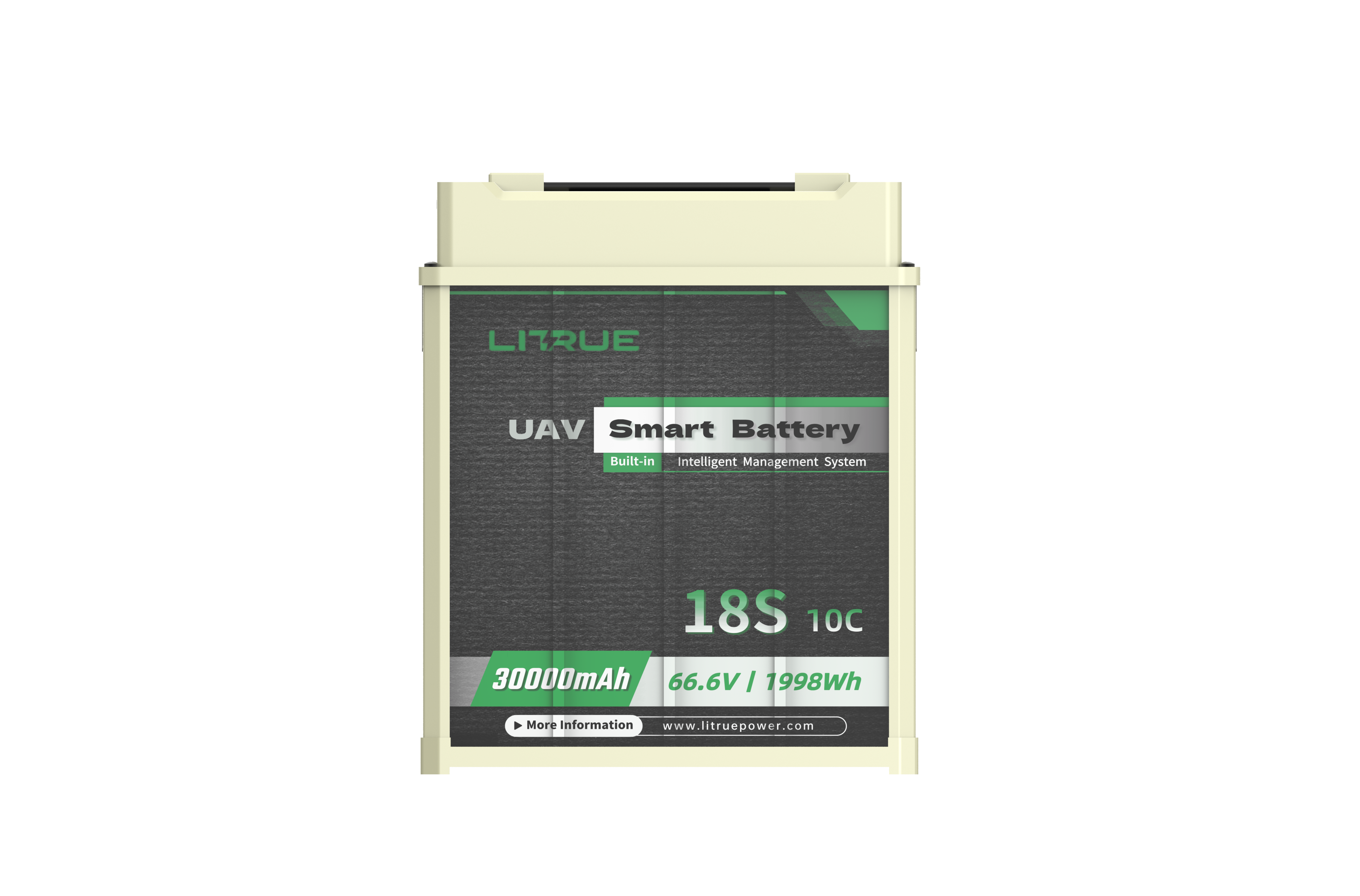
How to Maximize Flight Time with Drone Lithium Batteries
Table of Contents
1. Understanding Lithium Batteries for Drones
2. Factors Affecting Drone Flight Time
3. Choosing the Right Lithium Battery for Your Drone
3.1 Capacity and Voltage Explained
3.2 Battery Chemistry and Its Impact
4. Best Practices for Drone Flight Time Optimization
4.1 Proper Battery Charging Techniques
4.2 Effective Discharge Management
5. Maintenance Tips for Longevity and Performance
6. Using Software for Battery Monitoring and Management
7. Additional Accessories to Extend Flight Time
8. Frequently Asked Questions (FAQs)
9. Conclusion
1. Understanding Lithium Batteries for Drones
Lithium batteries are the gold standard for modern drones due to their high energy density, lightweight characteristics, and ability to deliver sustained power output. Understanding how these batteries work is crucial for maximizing flight time. **Lithium Polymer (LiPo)** and **Lithium-Ion (Li-Ion)** are the two main types of batteries used in drones.
LiPo batteries are favored for their discharge characteristics, while Li-Ion batteries excel in energy density. They both have unique characteristics that can affect your drone's performance, and knowing these differences can help you choose the best option for your specific needs.
2. Factors Affecting Drone Flight Time
Multiple factors can influence how long your drone will stay airborne, including:
- **Weight**: The total weight of the drone, including the battery and any additional payload, directly impacts flight time. Lighter drones generally enjoy longer flight durations.
- **Weather Conditions**: Wind and temperature can significantly affect drone performance. Flying in harsh conditions may drain the battery faster.
- **Flying Style**: Aggressive maneuvers, such as rapid ascents or sharp turns, consume more energy.
- **Battery Age and Condition**: Older batteries often hold less charge and can reduce flight times.
Understanding these factors allows drone operators to make informed decisions about optimizing their models for longer flights.
3. Choosing the Right Lithium Battery for Your Drone
Selecting the appropriate lithium battery for your drone is key to maximizing flight time. Here are essential aspects to consider:
3.1 Capacity and Voltage Explained
Battery capacity is measured in **mAh (milliamp hours)**, indicating how much energy the battery can store. A higher mAh rating typically means longer flight times. However, it's essential to balance this with voltage, measured in **Volts (V)**. Each drone requires a specific voltage to operate correctly, so choose a battery that matches your drone’s specifications.
3.2 Battery Chemistry and Its Impact
Lithium batteries come in various chemistries, with LiPo and Li-Ion being the most common. LiPo batteries often provide higher discharge rates, making them ideal for performance. However, they require more careful handling compared to Li-Ion batteries, which are generally more stable but might not provide the same burst of power.
4. Best Practices for Drone Flight Time Optimization
Maximizing flight time involves several best practices, from charging methods to flight techniques.
4.1 Proper Battery Charging Techniques
Use a quality charger specifically designed for your battery type. Avoid overcharging, as it can damage the battery, reducing its lifespan and capacity. A smart charger with balance charging features can help ensure that all cells in a LiPo battery pack are charged evenly, which is vital for optimal performance and longevity.
4.2 Effective Discharge Management
Discharging your battery appropriately is as important as charging it correctly. Avoid letting your battery drop below 3.0V per cell to prevent damage. For optimal health, store batteries at a charge level around 40-60% if you're not planning to use them for a while.
5. Maintenance Tips for Longevity and Performance
Regular maintenance is key to ensuring your lithium batteries perform at their best. Here are some tips to follow:
- **Inspect for Damage**: Regularly check your batteries for swelling, punctures, or other damage. Damaged batteries should be replaced immediately.
- **Storage Conditions**: Store batteries in a cool, dry place, ideally at room temperature. Avoid exposing them to extreme temperatures or humidity.
- **Cycle Your Batteries**: Periodically cycle your batteries, meaning fully charge and fully discharge them. This helps maintain their health.
6. Using Software for Battery Monitoring and Management
Many modern drones come equipped with software that allows for real-time battery monitoring. This can include:
- **Voltage Monitoring**: Real-time voltage readings can alert you when your battery is low.
- **Capacity Estimation**: Software can provide estimates on remaining flight time based on current usage patterns.
- **Health Status Reports**: Keeping track of battery health over time can help you determine when it’s time to replace your battery.
Using these tools can significantly extend the life and performance of your batteries.
7. Additional Accessories to Extend Flight Time
Consider investing in accessories designed to enhance flight time, such as:
- **Battery Packs**: Carrying extra batteries allows for quick swaps during long flying sessions.
- **Power Distribution Boards**: These can help manage power more efficiently across multiple components, ensuring your drone doesn’t waste energy.
- **Lightweight Components**: Upgrading to lighter materials for your drone can reduce overall weight, leading to longer flights.
8. Frequently Asked Questions (FAQs)
**Q1: How can I tell if my lithium battery is failing?**
A1: Signs include swelling, reduced flight time, or difficulty holding a charge. If you notice these issues, replace the battery.
**Q2: What is the average flight time for drones using lithium batteries?**
A2: Most drones can achieve flight times ranging from 20 to 30 minutes, depending on factors like battery capacity and drone weight.
**Q3: Can I use any charger for my lithium batteries?**
A3: No, always use a charger specifically designed for the type of lithium battery you are using to ensure safety and efficiency.
**Q4: Is it safe to store lithium batteries indoors?**
A4: Yes, but keep them in a cool, dry area away from flammable materials. Consider a fireproof bag for added safety.
**Q5: How often should I replace lithium batteries for my drone?**
A5: It typically depends on usage. Regularly inspect your batteries, and replace them if you notice significant performance degradation.
9. Conclusion
Maximizing flight time with drone lithium batteries requires a combination of understanding battery types, choosing the right components, and practicing effective management techniques. By following the best practices outlined in this guide, drone operators can enjoy longer flights and improved performance. Regular maintenance, attentive monitoring, and smart choices in battery selection will not only extend flight times but also enhance the overall experience of flying drones. Whether you’re a hobbyist or a professional, applying these strategies can help you achieve the most from your drone adventures.
TAG:

Contact Us
E-mail :
info@litruepower.com
Phone:
+860379-65187266
Address:
No. 30 Science and Technology Avenue, Yibin District, Luoyang City, Henan Province
Contact LiTrue
Addr:No. 30 Science and Technology Avenue, Yibin District, Luoyang City, Henan Province