
A Comprehensive Guide to Drone Lithium Batteries: Powering the Future of Flight
Jan 18,2026


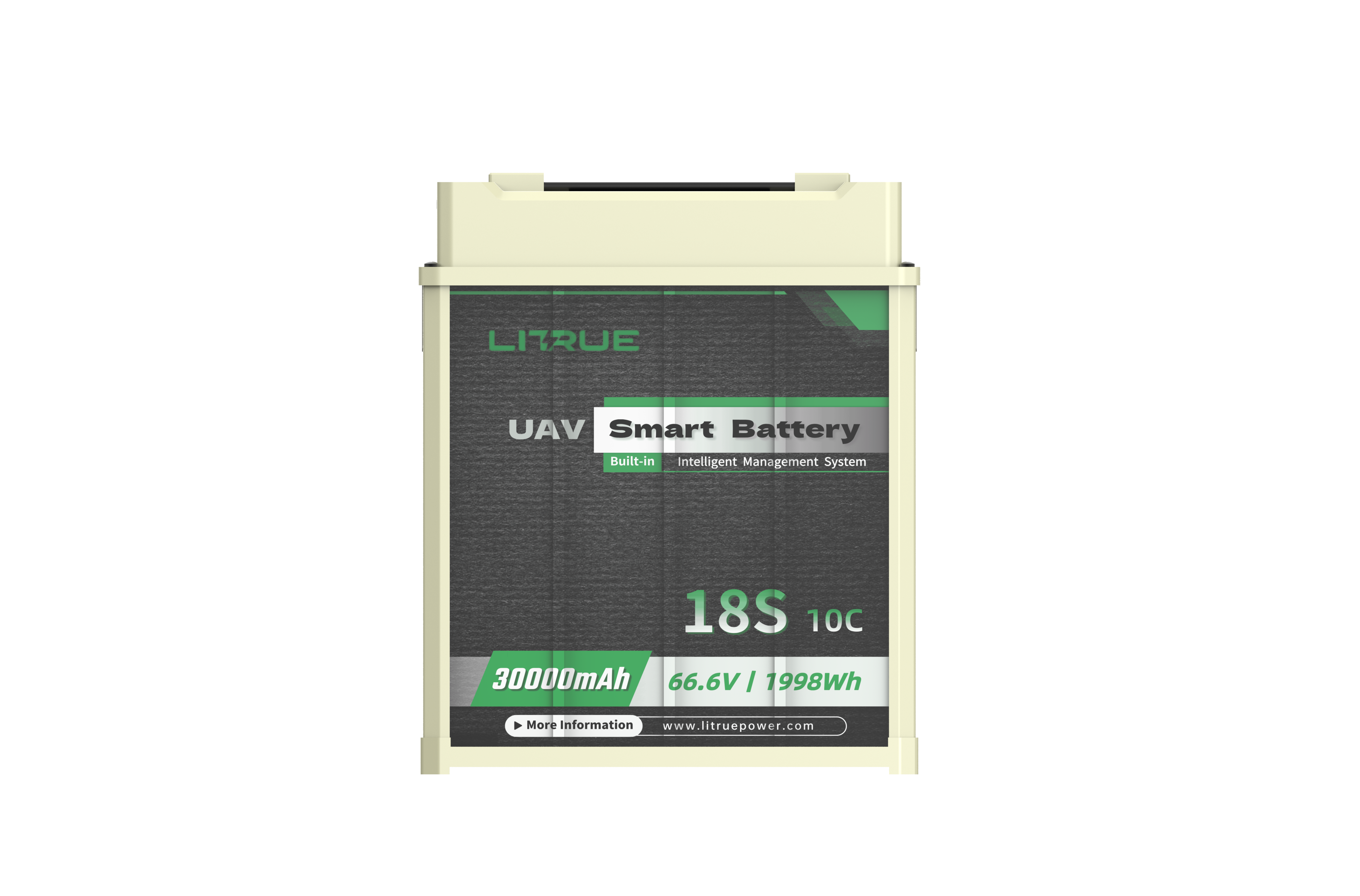
As drones continue to revolutionize industries such as photography, agriculture, and logistics, understanding the role of lithium batteries in powering these devices is crucial. Drone lithium batteries are an integral part of a drone's functionality, as they provide the energy needed for flight, navigation, and data transmission. This article will delve into the key features, benefits, and maintenance of drone lithium batteries, ensuring you have the knowledge required to optimize your drone's performance.
**Key Features of Drone Lithium Batteries**
Lithium batteries, specifically lithium polymer (LiPo) and lithium-ion (Li-ion) types, are commonly used in drones due to their lightweight design and high energy density. This means they can store a significant amount of energy relative to their weight, allowing drones to fly longer distances and carry heavier payloads. Additionally, these batteries have a low self-discharge rate, meaning they retain their charge for longer periods when not in use.
Another important feature is the ability of lithium batteries to handle rapid discharge currents, which is essential for the immediate power demands of drones during takeoff and maneuvering. Furthermore, the rechargeable nature of lithium batteries makes them a cost-effective solution for drone operators.
**Benefits of Using Drone Lithium Batteries**
1. **Extended Flight Time**: Lithium batteries enable drones to achieve longer flight times compared to traditional battery types. This is particularly advantageous for commercial applications requiring extended aerial coverage.
2. **Quick Recharge**: Many lithium batteries can be recharged relatively quickly, minimizing downtime and enhancing productivity. Operators can often return to flight within a short window, maintaining operational efficiency.
3. **Weight Efficiency**: The lightweight nature of lithium batteries contributes to a drone's overall performance, allowing for better maneuverability and increased payload capacity.
4. **Durability**: Lithium batteries are designed to endure various environmental conditions, making them suitable for outdoor applications. They are less prone to damage from temperature fluctuations compared to other battery types.
**Maintenance Tips for Drone Lithium Batteries**
To extend the lifespan of your drone lithium batteries, proper maintenance is essential. Here are a few tips:
- **Store Properly**: When not in use, store your batteries at room temperature and at a partial charge (around 40-60%) to prevent over-discharge or swelling.
- **Avoid Overcharging**: Use a charger specifically designed for lithium batteries, and avoid leaving the battery connected to the charger once fully charged to prevent overheating.
- **Monitor Voltage**: Regularly check the battery's voltage levels to ensure optimal performance and replace any batteries that show signs of significant wear or damage.
- **Adhere to Manufacturer Guidelines**: Always follow the manufacturer's recommended practices for use and maintenance, as this can vary between different types of lithium batteries.
In conclusion, drone lithium batteries are essential components that significantly influence the operational capabilities of drones. Understanding their features, benefits, and maintenance requirements can help users maximize the efficiency and longevity of their drone systems. Whether you are a hobbyist or a professional, being knowledgeable about drone lithium batteries will enhance your flying experience and ensure successful missions.
**Key Features of Drone Lithium Batteries**
Lithium batteries, specifically lithium polymer (LiPo) and lithium-ion (Li-ion) types, are commonly used in drones due to their lightweight design and high energy density. This means they can store a significant amount of energy relative to their weight, allowing drones to fly longer distances and carry heavier payloads. Additionally, these batteries have a low self-discharge rate, meaning they retain their charge for longer periods when not in use.
Another important feature is the ability of lithium batteries to handle rapid discharge currents, which is essential for the immediate power demands of drones during takeoff and maneuvering. Furthermore, the rechargeable nature of lithium batteries makes them a cost-effective solution for drone operators.
**Benefits of Using Drone Lithium Batteries**
1. **Extended Flight Time**: Lithium batteries enable drones to achieve longer flight times compared to traditional battery types. This is particularly advantageous for commercial applications requiring extended aerial coverage.
2. **Quick Recharge**: Many lithium batteries can be recharged relatively quickly, minimizing downtime and enhancing productivity. Operators can often return to flight within a short window, maintaining operational efficiency.
3. **Weight Efficiency**: The lightweight nature of lithium batteries contributes to a drone's overall performance, allowing for better maneuverability and increased payload capacity.
4. **Durability**: Lithium batteries are designed to endure various environmental conditions, making them suitable for outdoor applications. They are less prone to damage from temperature fluctuations compared to other battery types.
**Maintenance Tips for Drone Lithium Batteries**
To extend the lifespan of your drone lithium batteries, proper maintenance is essential. Here are a few tips:
- **Store Properly**: When not in use, store your batteries at room temperature and at a partial charge (around 40-60%) to prevent over-discharge or swelling.
- **Avoid Overcharging**: Use a charger specifically designed for lithium batteries, and avoid leaving the battery connected to the charger once fully charged to prevent overheating.
- **Monitor Voltage**: Regularly check the battery's voltage levels to ensure optimal performance and replace any batteries that show signs of significant wear or damage.
- **Adhere to Manufacturer Guidelines**: Always follow the manufacturer's recommended practices for use and maintenance, as this can vary between different types of lithium batteries.
In conclusion, drone lithium batteries are essential components that significantly influence the operational capabilities of drones. Understanding their features, benefits, and maintenance requirements can help users maximize the efficiency and longevity of their drone systems. Whether you are a hobbyist or a professional, being knowledgeable about drone lithium batteries will enhance your flying experience and ensure successful missions.
TAG:

Contact Us
E-mail :
info@litruepower.com
Phone:
+860379-65187266
Address:
No. 30 Science and Technology Avenue, Yibin District, Luoyang City, Henan Province
Contact LiTrue
Addr:No. 30 Science and Technology Avenue, Yibin District, Luoyang City, Henan Province