
Exploring the Advantages of LiFePO4 Pouch Cells in Renewable Energy Applications
Mar 09,2026
---
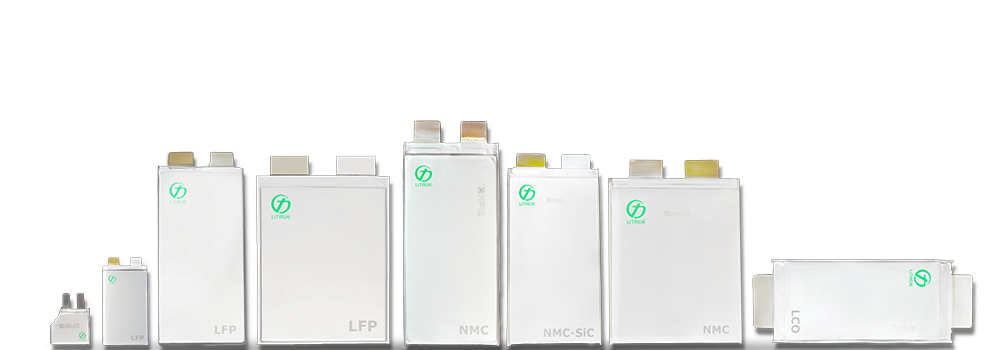
LiFePO4 pouch cells, a type of lithium iron phosphate battery, have emerged as a prominent solution in the realm of energy storage, particularly within the renewable energy sector. These cells are characterized by their lightweight design, flexibility, and excellent thermal stability, making them an attractive option for various applications, including solar energy systems.
One of the standout features of LiFePO4 pouch cells is their enhanced safety profile compared to other lithium-ion chemistries. The inherent chemistry of LiFePO4 offers superior thermal stability, reducing the risk of overheating and thermal runaway. This characteristic is particularly vital in renewable energy applications where temperature fluctuations are common, and safety is a primary concern. As more organizations seek to integrate renewable energy solutions, the reliability of energy storage systems becomes paramount, making LiFePO4 pouch cells an ideal candidate.
Additionally, these cells boast a long cycle life, typically exceeding 2000 charge/discharge cycles. This longevity is essential in renewable energy applications, where the cost-effectiveness of energy storage solutions is closely linked to their lifespan. By utilizing LiFePO4 pouch cells, organizations can minimize the frequency of battery replacements, leading to reduced operational costs and lower environmental impact.
Another significant advantage of LiFePO4 pouch cells is their ability to deliver high discharge rates. This feature is particularly beneficial for applications requiring rapid energy delivery, such as in solar energy systems during peak production times. The fast response capabilities of these cells allow for more efficient energy utilization, enabling better management of energy resources and enhancing the overall performance of renewable energy systems.
Moreover, the manufacturing processes for LiFePO4 pouch cells are becoming increasingly advanced, leading to improved energy density and efficiency. This means that as technology evolves, the performance of these cells will continue to enhance, making them even more suitable for integration into larger renewable energy projects. The scalability of LiFePO4 pouch cells allows for their use in various applications, from small solar energy systems to larger grid-scale solutions.
In conclusion, LiFePO4 pouch cells represent a robust and promising option for energy storage in the renewable energy sector. Their safety, longevity, high discharge rates, and adaptability to manufacturing advancements position them as a key player in the transition towards sustainable energy solutions. As industries continue to focus on integrating renewable technologies, the role of LiFePO4 pouch cells will likely become increasingly significant, contributing to a more sustainable and efficient energy landscape.
LiFePO4 pouch cells, a type of lithium iron phosphate battery, have emerged as a prominent solution in the realm of energy storage, particularly within the renewable energy sector. These cells are characterized by their lightweight design, flexibility, and excellent thermal stability, making them an attractive option for various applications, including solar energy systems.
One of the standout features of LiFePO4 pouch cells is their enhanced safety profile compared to other lithium-ion chemistries. The inherent chemistry of LiFePO4 offers superior thermal stability, reducing the risk of overheating and thermal runaway. This characteristic is particularly vital in renewable energy applications where temperature fluctuations are common, and safety is a primary concern. As more organizations seek to integrate renewable energy solutions, the reliability of energy storage systems becomes paramount, making LiFePO4 pouch cells an ideal candidate.
Additionally, these cells boast a long cycle life, typically exceeding 2000 charge/discharge cycles. This longevity is essential in renewable energy applications, where the cost-effectiveness of energy storage solutions is closely linked to their lifespan. By utilizing LiFePO4 pouch cells, organizations can minimize the frequency of battery replacements, leading to reduced operational costs and lower environmental impact.
Another significant advantage of LiFePO4 pouch cells is their ability to deliver high discharge rates. This feature is particularly beneficial for applications requiring rapid energy delivery, such as in solar energy systems during peak production times. The fast response capabilities of these cells allow for more efficient energy utilization, enabling better management of energy resources and enhancing the overall performance of renewable energy systems.
Moreover, the manufacturing processes for LiFePO4 pouch cells are becoming increasingly advanced, leading to improved energy density and efficiency. This means that as technology evolves, the performance of these cells will continue to enhance, making them even more suitable for integration into larger renewable energy projects. The scalability of LiFePO4 pouch cells allows for their use in various applications, from small solar energy systems to larger grid-scale solutions.
In conclusion, LiFePO4 pouch cells represent a robust and promising option for energy storage in the renewable energy sector. Their safety, longevity, high discharge rates, and adaptability to manufacturing advancements position them as a key player in the transition towards sustainable energy solutions. As industries continue to focus on integrating renewable technologies, the role of LiFePO4 pouch cells will likely become increasingly significant, contributing to a more sustainable and efficient energy landscape.
TAG:

Contact Us
E-mail :
info@litruepower.com
Phone:
+860379-65187266
Address:
No. 30 Science and Technology Avenue, Yibin District, Luoyang City, Henan Province
Contact LiTrue
Addr:No. 30 Science and Technology Avenue, Yibin District, Luoyang City, Henan Province
SAF Coolest v1.3.1.2 设置面板 GAGSE-ZGYF-JSZWE-ZDZ
违禁词: 第一,最,一流,领先,独一无二,王者,龙头,领导者,极致,
无数据提示
Sorry,当前栏目正在更新中,敬请期待!
您可以查看其他栏目或返回 首页