
Understanding UAV Lithium Batteries: Key Insights for Optimal Performance
Mar 05,2026
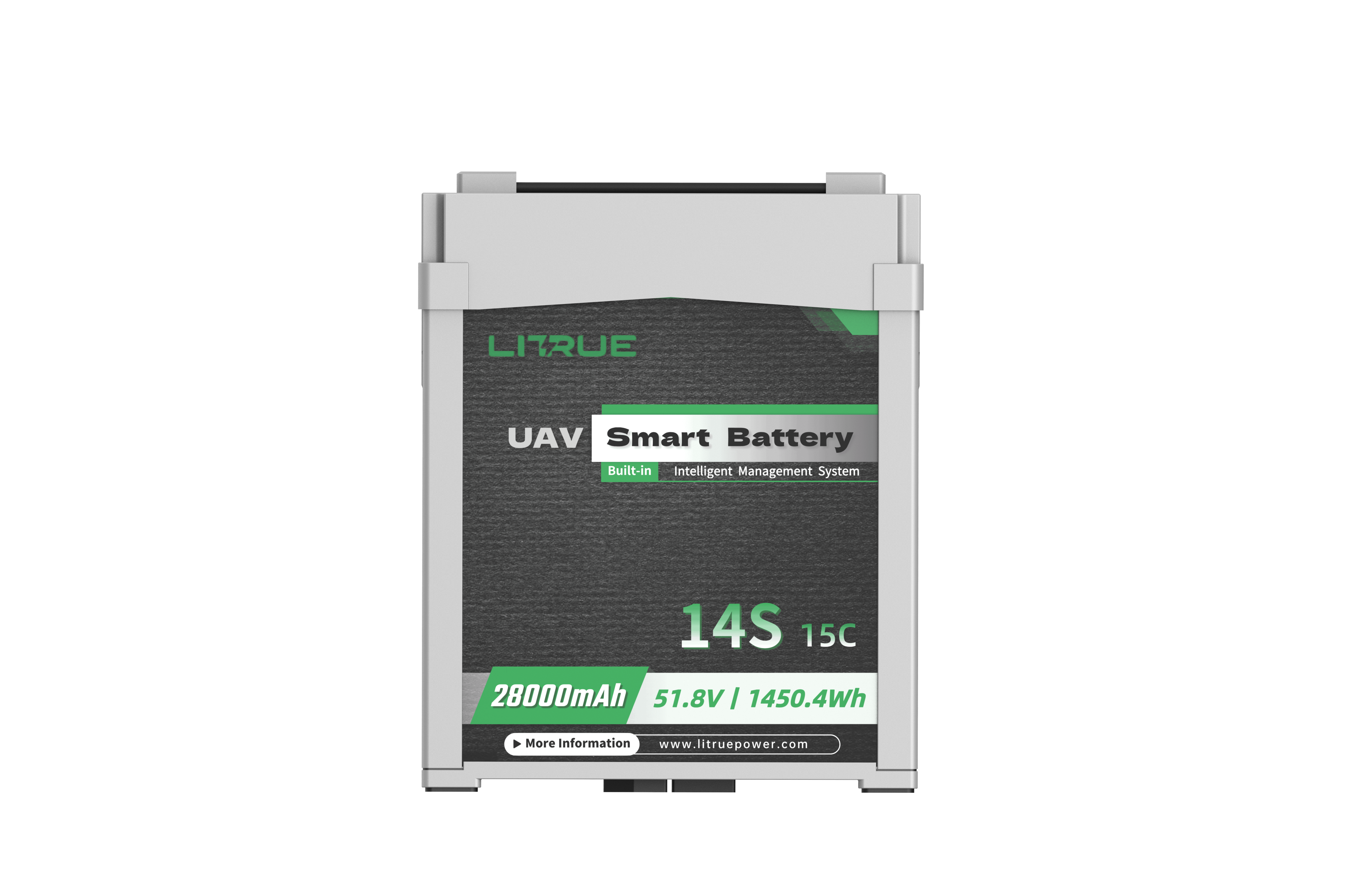
Lithium batteries have revolutionized the world of unmanned aerial vehicles (UAVs), providing a powerful source of energy essential for their operation. These batteries are favored for their exceptional energy density, lightweight profile, and longer lifespan compared to traditional power sources. Understanding the components and characteristics of UAV lithium batteries can greatly enhance their performance and efficiency.
One of the primary advantages of lithium batteries is their high energy density. This means they can store a large amount of energy relative to their weight, which is critical for UAVs that require prolonged flight times. Most UAV lithium batteries use lithium polymer (LiPo) or lithium-ion (Li-ion) technology, each with unique benefits. LiPo batteries, for instance, can be shaped in various forms and are more flexible in terms of design, making them ideal for compact UAVs. On the other hand, Li-ion batteries are known for their durability and reliability, offering excellent cycle life and charge retention.
Additionally, UAV lithium batteries come equipped with a Battery Management System (BMS) that monitors charge levels, temperature, and overall health of the battery. This feature is crucial to prevent overcharging or deep discharging, which can lead to reduced capacity or even catastrophic failures. Regular monitoring not only enhances the lifespan of the battery but also ensures safe operation, which is paramount in UAV applications.
However, to maximize the performance of UAV lithium batteries, proper care and maintenance are essential. Users should ensure that they charge the batteries using appropriate chargers that match the battery specifications. Additionally, storing batteries at the right voltage level and avoiding extreme temperatures will help in maintaining their longevity.
The applications of UAV lithium batteries extend across various industries, including agriculture, surveillance, and delivery services. In agriculture, UAVs equipped with lithium batteries can monitor crops and assess field health efficiently, while in surveillance, they provide a reliable power source for aerial monitoring. As the demand for UAVs continues to grow, advancements in lithium battery technology are likely to follow, leading to even more efficient and powerful solutions.
In conclusion, understanding UAV lithium batteries is crucial for anyone involved in the operation or development of unmanned aerial vehicles. Their unique properties and advantages make them the go-to power source in the industry, paving the way for innovative applications and improved performance. By adhering to best practices in usage and maintenance, users can harness the full potential of UAV lithium batteries, ensuring reliable and efficient flight operations.
One of the primary advantages of lithium batteries is their high energy density. This means they can store a large amount of energy relative to their weight, which is critical for UAVs that require prolonged flight times. Most UAV lithium batteries use lithium polymer (LiPo) or lithium-ion (Li-ion) technology, each with unique benefits. LiPo batteries, for instance, can be shaped in various forms and are more flexible in terms of design, making them ideal for compact UAVs. On the other hand, Li-ion batteries are known for their durability and reliability, offering excellent cycle life and charge retention.
Additionally, UAV lithium batteries come equipped with a Battery Management System (BMS) that monitors charge levels, temperature, and overall health of the battery. This feature is crucial to prevent overcharging or deep discharging, which can lead to reduced capacity or even catastrophic failures. Regular monitoring not only enhances the lifespan of the battery but also ensures safe operation, which is paramount in UAV applications.
However, to maximize the performance of UAV lithium batteries, proper care and maintenance are essential. Users should ensure that they charge the batteries using appropriate chargers that match the battery specifications. Additionally, storing batteries at the right voltage level and avoiding extreme temperatures will help in maintaining their longevity.
The applications of UAV lithium batteries extend across various industries, including agriculture, surveillance, and delivery services. In agriculture, UAVs equipped with lithium batteries can monitor crops and assess field health efficiently, while in surveillance, they provide a reliable power source for aerial monitoring. As the demand for UAVs continues to grow, advancements in lithium battery technology are likely to follow, leading to even more efficient and powerful solutions.
In conclusion, understanding UAV lithium batteries is crucial for anyone involved in the operation or development of unmanned aerial vehicles. Their unique properties and advantages make them the go-to power source in the industry, paving the way for innovative applications and improved performance. By adhering to best practices in usage and maintenance, users can harness the full potential of UAV lithium batteries, ensuring reliable and efficient flight operations.
TAG:
PREVIOUS:

Contact Us
E-mail :
info@litruepower.com
Phone:
+860379-65187266
Address:
No. 30 Science and Technology Avenue, Yibin District, Luoyang City, Henan Province
Contact LiTrue
Addr:No. 30 Science and Technology Avenue, Yibin District, Luoyang City, Henan Province
SAF Coolest v1.3.1.2 设置面板 GAGSE-ZGYF-JSZWE-ZDZ
违禁词: 第一,最,一流,领先,独一无二,王者,龙头,领导者,极致,
无数据提示
Sorry,当前栏目正在更新中,敬请期待!
您可以查看其他栏目或返回 首页